
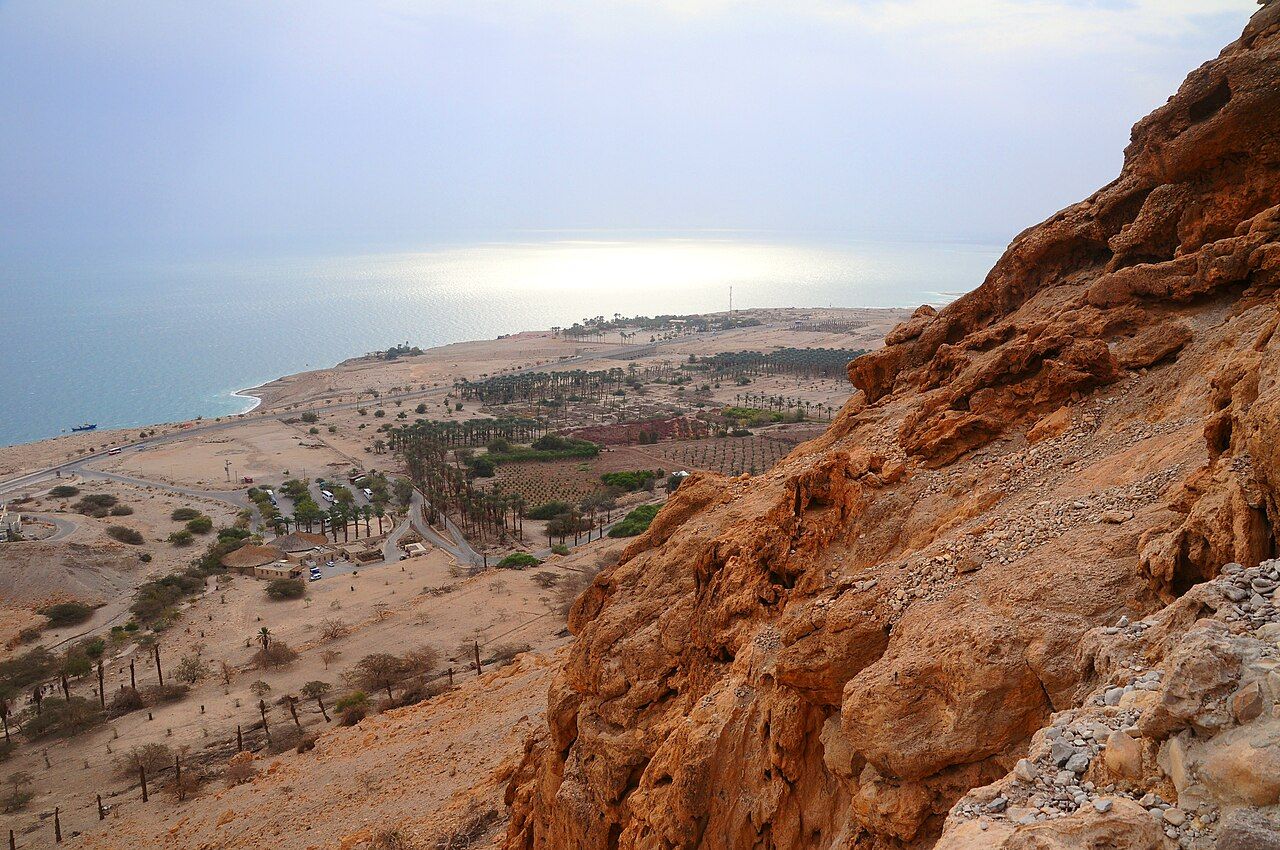
Ein Gedi is an oasis where freshwater springs burst out of the cliffs on the western shore of the Dead Sea. Two canyons, Nahal David and Nahal Arugot, carry water down through the desert, feeding pools, waterfalls, reeds and trees in a landscape otherwise made of bare rock. The area is a nature reserve, and it also includes the remains of an ancient synagogue and a long history of settlement. Below it, the Dead Sea lies more than four hundred metres below sea level, the lowest land surface on earth.
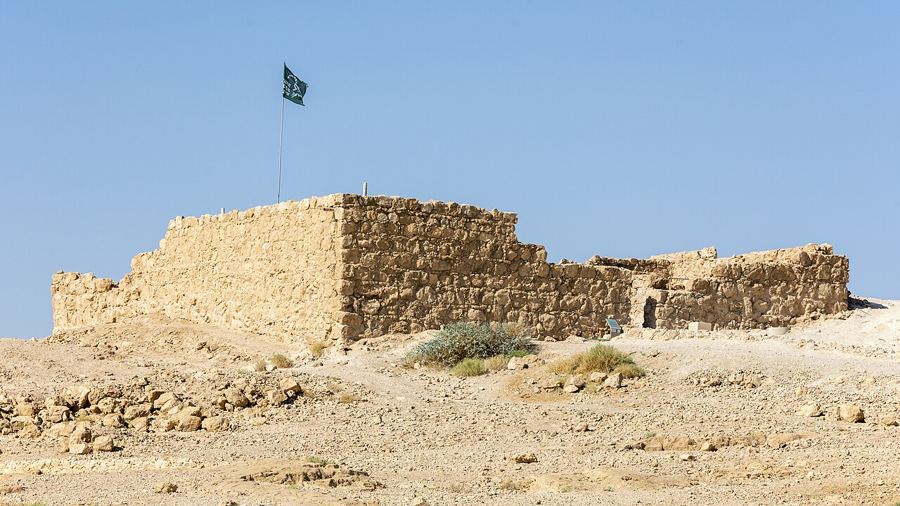
A morning walk to the waterfalls followed by a float in the salt water makes a satisfying day, especially paired with an early climb at Masada.
Nahal David and the waterfalls
The Nahal David trail is the most popular route in the reserve and suits most walkers. From the entrance, a path follows the stream up the canyon past small pools and lower cascades to David's Waterfall, which drops into a pool framed by ferns and hanging plants. The walk to the main fall takes around half an hour each way at an easy pace. Longer loops climb out of the canyon to an ancient temple site and a higher spring, but they are steep and exposed, so check with staff which routes are open and how long each takes.
Paddling is allowed in some pools, though swimming may be restricted to protect the water and the plants. Keep to the marked trail, do not feed animals, and take everything you bring back out with you. Last entry and exit times are strictly enforced, and they are earlier than you might expect, so arrive soon after opening.
Nahal Arugot, a little further south, is a longer and quieter canyon with deeper pools. It suits a second visit or those who want more walking, and it has its own entrance and closing times.
The ancient village and its synagogue
People have lived at Ein Gedi for thousands of years, drawn by the springs. Near the entrance road, excavations uncovered a Jewish village of the Roman and Byzantine periods, with a synagogue whose mosaic floor survives. Its inscriptions include a warning to anyone who would reveal "the secret of the town", which many scholars link to the local trade in balsam, a prized perfume and medicine grown in the oasis. The site has its own entrance and is a short drive from the trailheads, and it makes a shaded, quieter stop after the waterfalls.
Above the oasis, on the slope toward the upper springs, the remains of a Chalcolithic temple more than five thousand years old look out over the sea. It is reached only by the longer, steeper trails, and it is a reminder of how long this patch of green has mattered to people crossing the desert.
Ibex and hyrax
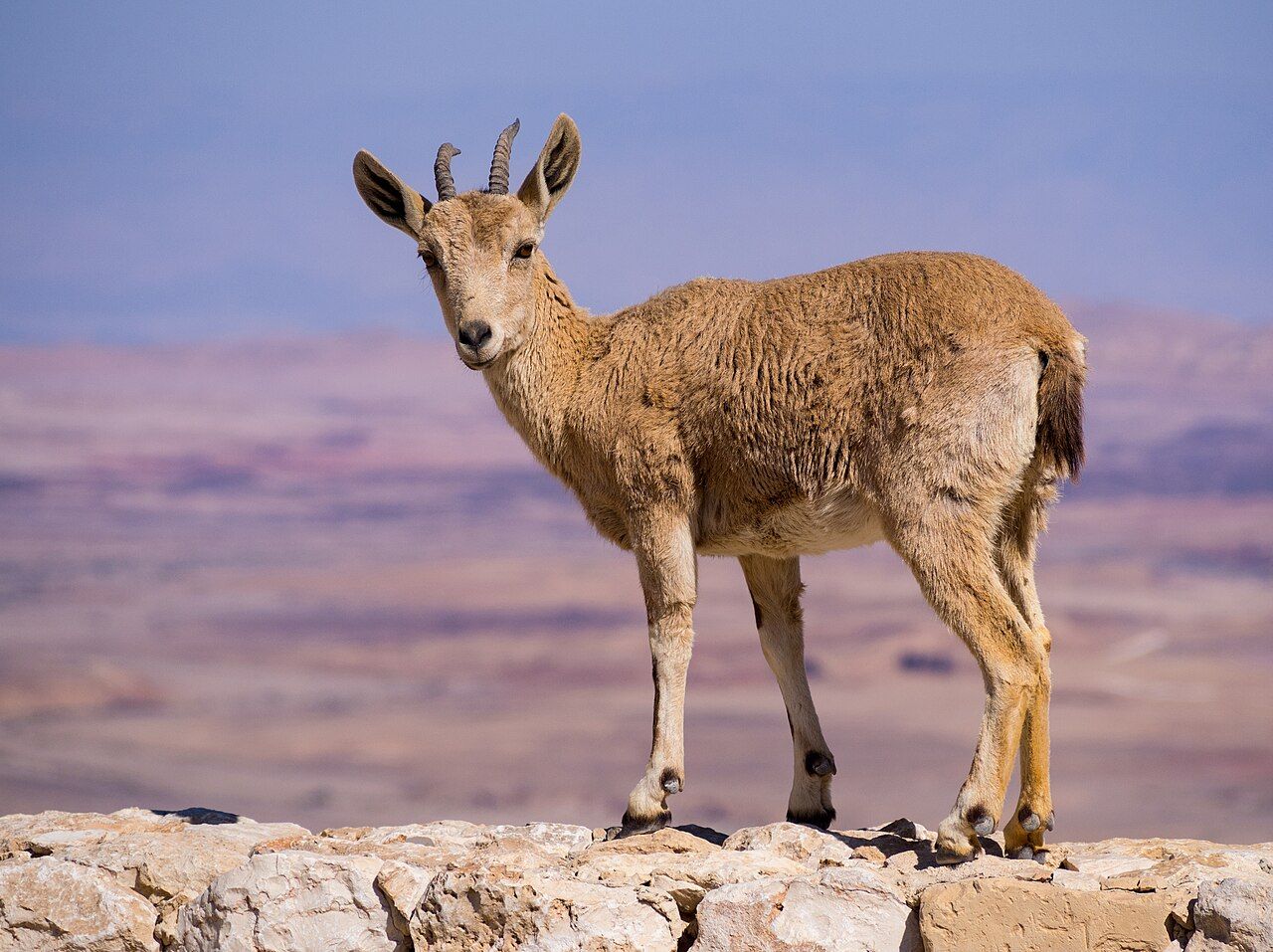
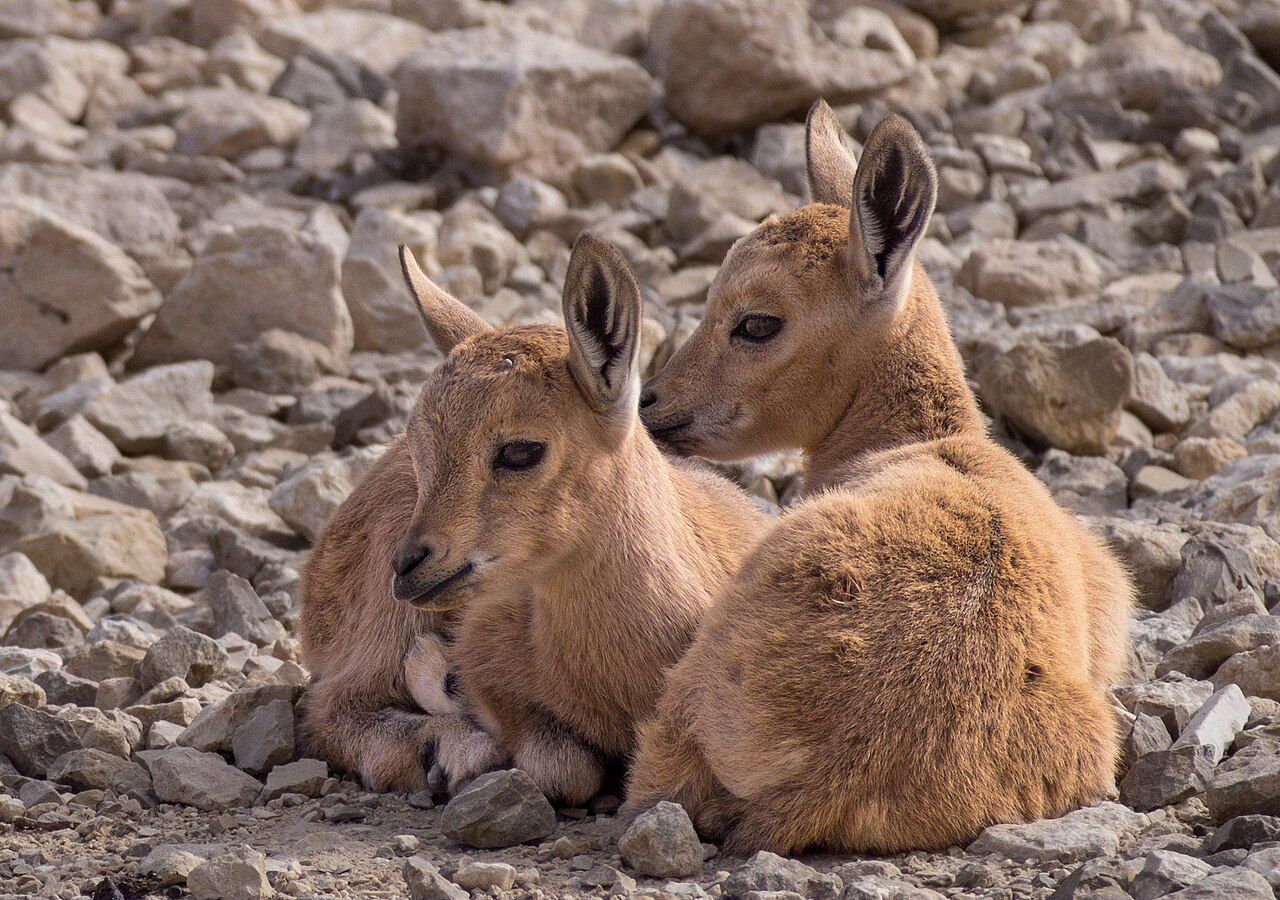
The springs draw wildlife, and Ein Gedi is one of the easiest places in Israel to see it up close. Nubian ibex, wild goats with long backward-curving horns on the males, graze near the paths and pick their way down sheer rock faces. Females and young are smaller and paler, often moving in groups. Early morning and late afternoon are the best times to see them.
Rock hyraxes, small, round, tailless animals, sunbathe on the rocks and scuttle into crevices when disturbed. Despite their size, their closest living relatives are thought to include elephants and sea cows. Watch them from a distance; both species are wild, and feeding them harms their health.
Leopards once lived in these canyons too, but they are now thought to be gone from the area. Birds are easier to spot: listen for the calls of Tristram's starlings, dark birds with orange wing patches that gather around the picnic areas.
 Another day · Dead SeaClimbing Masada in the dark
A falling sea and its sinkholes
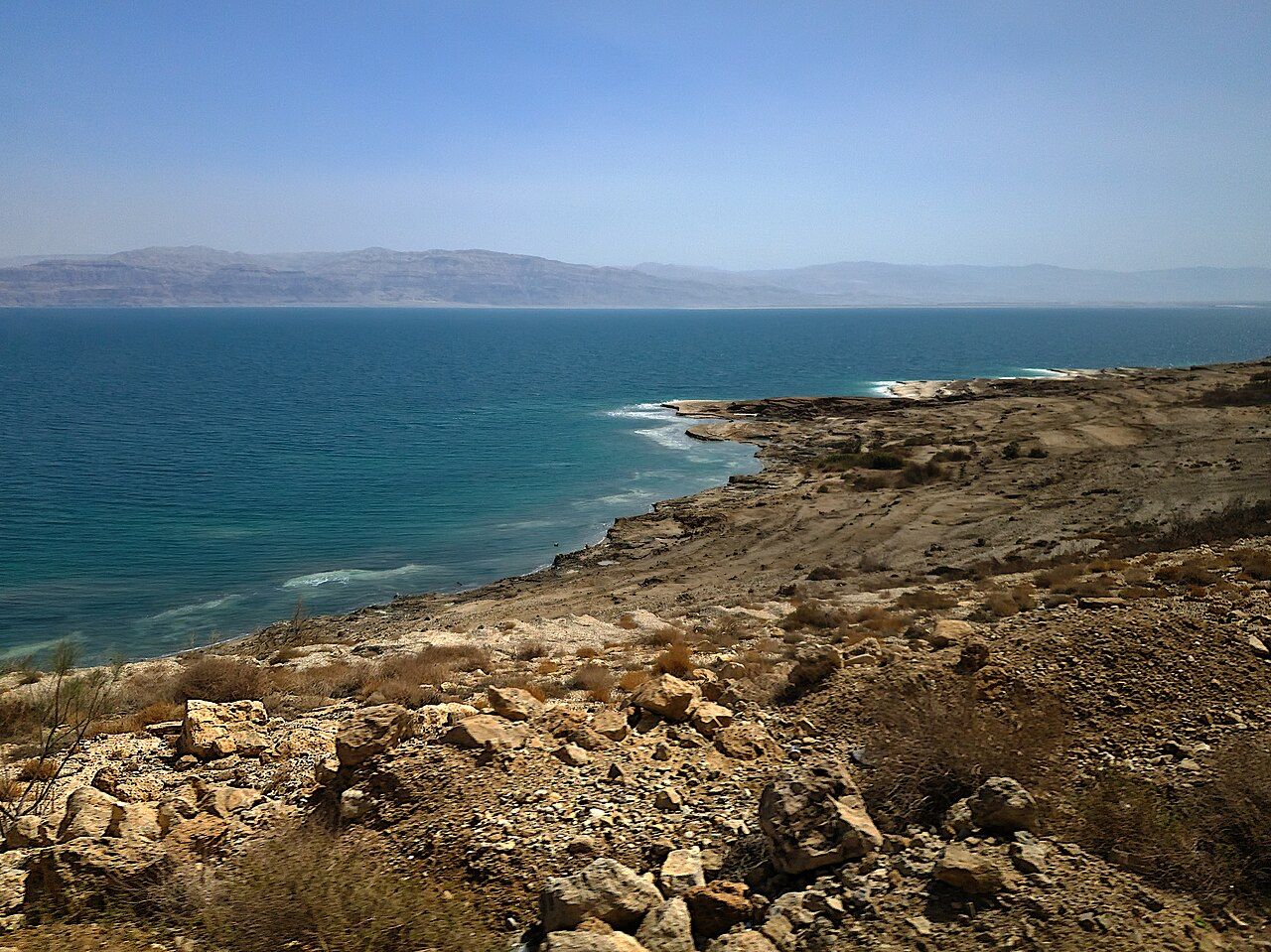
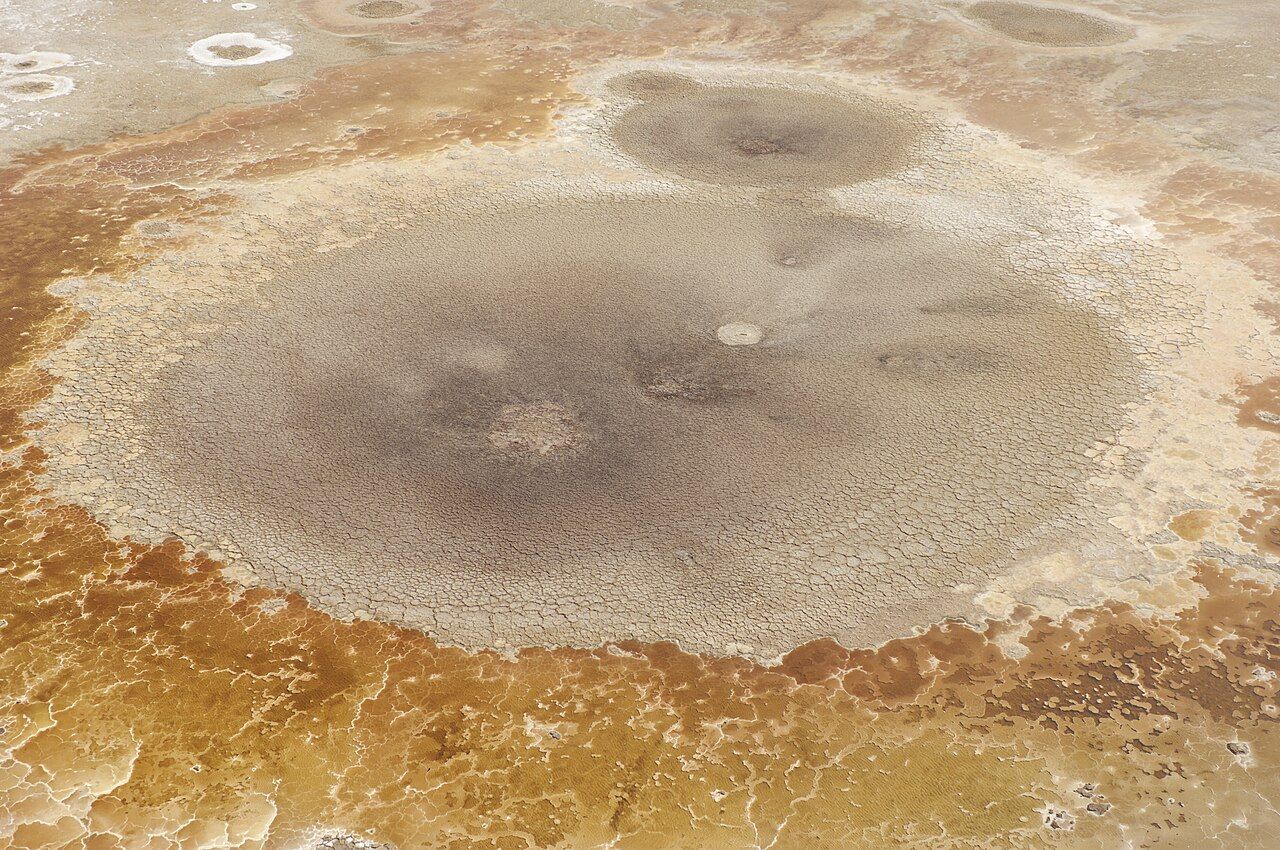
The Dead Sea is shrinking. Its surface has dropped by about a metre a year in recent decades, largely because water that once flowed in from the Jordan River is now taken upstream, and because mineral industries at the southern end evaporate seawater in large pans. As the shoreline retreats, it leaves exposed mudflats and salt crusts.
The retreat has a hazard. Fresh groundwater dissolves underground salt layers left by the old sea, and the ground above can collapse without warning, forming sinkholes. Thousands have opened along the western shore, closing roads, beaches and buildings. Fenced areas and warning signs mark the danger zones. Respect them completely, and never walk onto mudflats or shoreline outside a designated beach.
Respect them completely, and never walk onto mudflats or shoreline outside a designated beach.
Floating in the Dead Sea
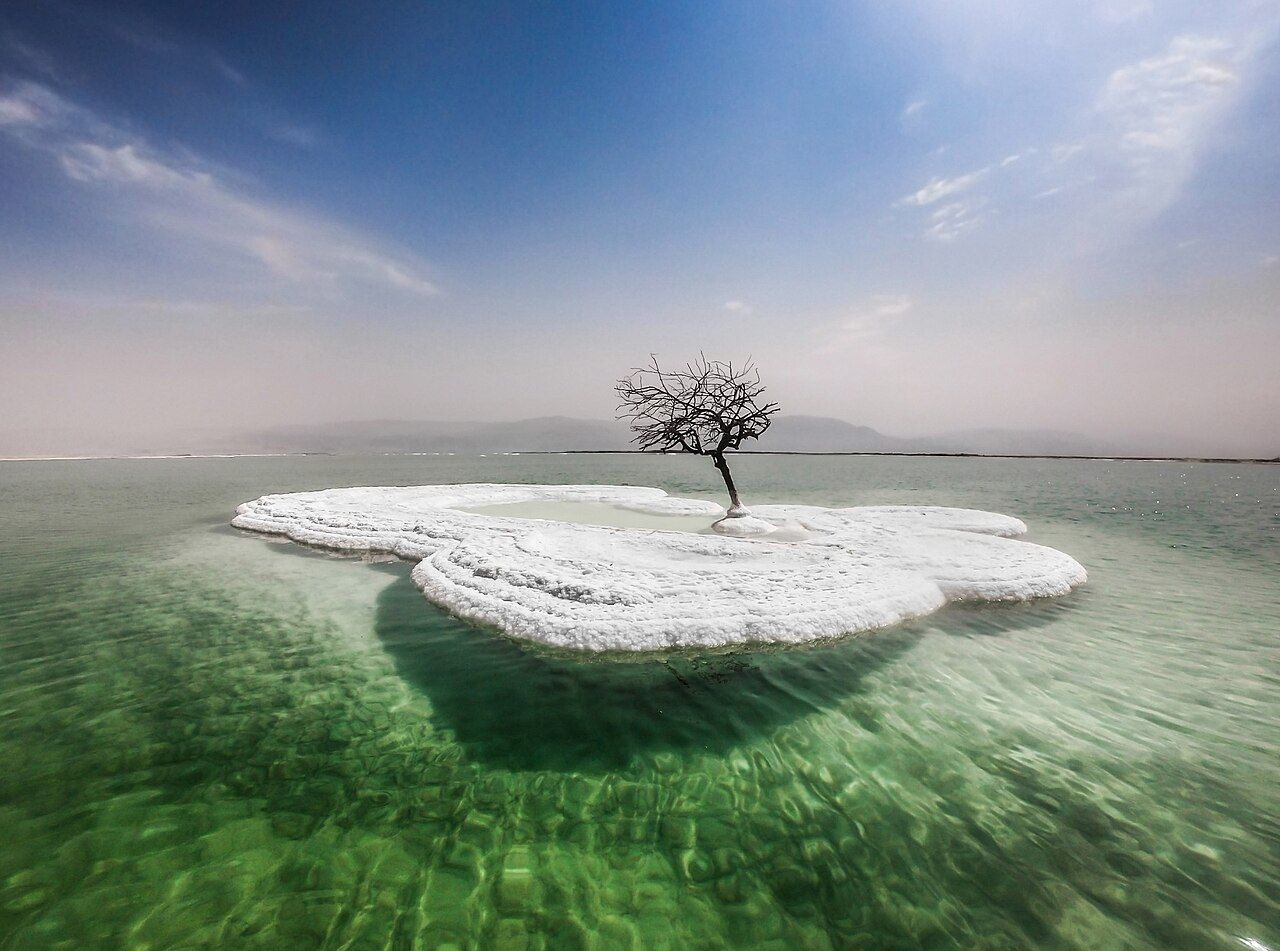
The water of the Dead Sea is roughly ten times saltier than the ocean, and its density lets you float without effort. Swim only at beaches with lifeguards and facilities, whether a public beach or one of the managed beaches further south. Access and charges vary, and some beaches have closed as the shoreline has moved, so check before you go.
Walk in slowly, sit back as if into a chair, and let the water lift you. Do not dive, swim on your front or splash: water in the eyes stings badly and swallowing it is dangerous. If you get it in your eyes, rinse at once with fresh water and seek a lifeguard. Avoid shaving the day before, as cuts sting. Keep to around fifteen or twenty minutes in the water, and rinse off in the beach showers afterwards. The salt crystals near the shore are sharp, so wear sandals or water shoes.
Heat and planning
The Dead Sea basin is extremely hot from late spring into autumn, and the reflected glare off water and salt is intense. Carry plenty of water, wear a hat, and plan the trail for the morning and the swim for midday or early afternoon, when the water is pleasant and shade is near. The air pressure at this depth is higher, and some people feel more tired than usual.
Buy or bring food before you arrive, as choices along this stretch of shore are limited, and fill your bottles wherever you can. Mobile signal is generally good along Route 90 but weak inside the canyons. If you are driving, fuel up beforehand and keep to the speed limits; the road is narrow in places, with steep drops and heavy lorries.
Ein Gedi sits on Route 90, about twenty minutes north of Masada and under an hour south of Qumran. For a desert day further south, the guide to Mitzpe Ramon and the Ramon Crater covers the Negev. Check your own government's current travel advice for the region before setting out.