
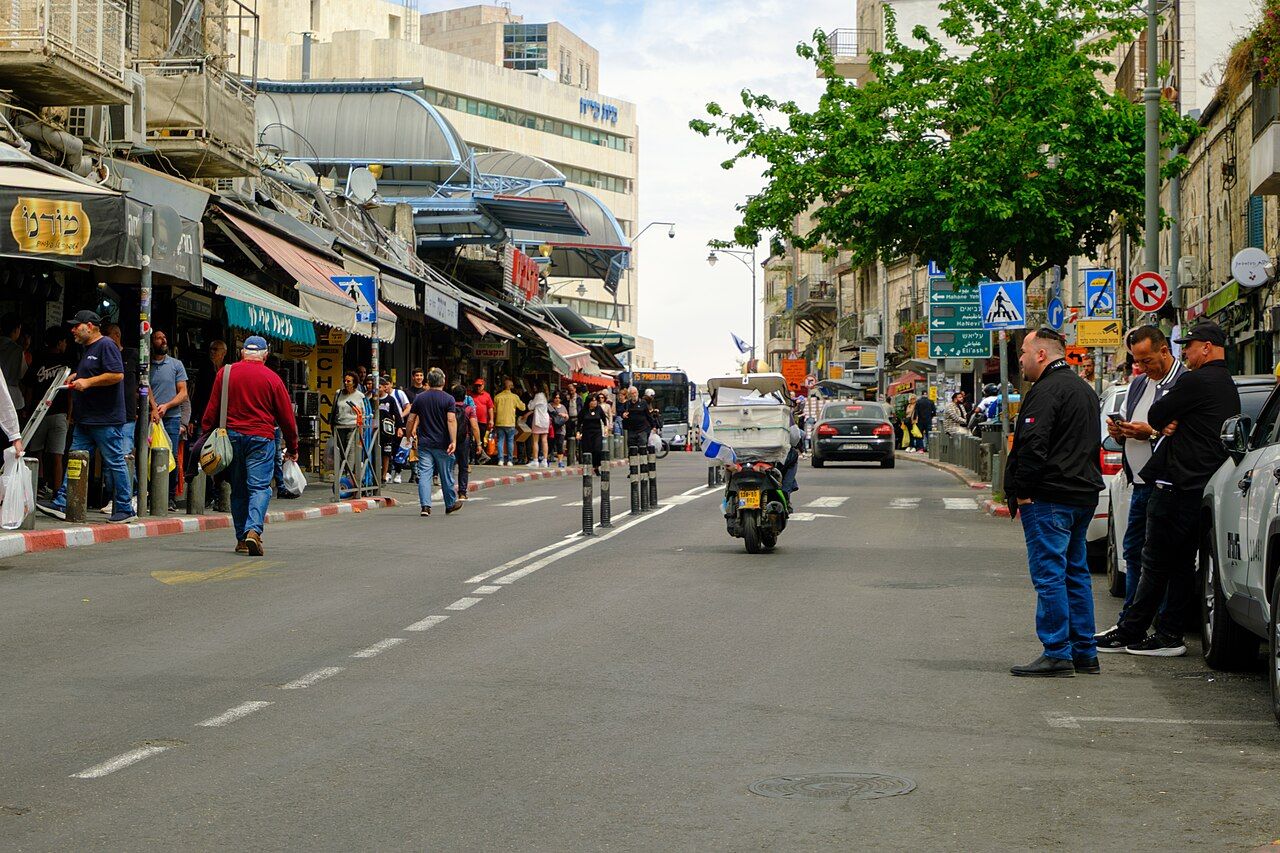
Shabbat, the Jewish day of rest, begins on Friday at sunset and ends on Saturday night after dark, when three stars can be seen. In Israel, it shapes the rhythm of the whole week, though it is kept very differently from place to place. Religious neighbourhoods fall completely silent, while other areas carry on almost as normal. Knowing which is which turns Shabbat from an obstacle into part of the trip.
What closes from Friday afternoon
The change begins on Friday morning, when markets and shops are at their busiest as people buy for the weekend. By early afternoon the pace drops. Shops close, offices are already shut, and in Jerusalem the streets of the centre empty out as sundown approaches.
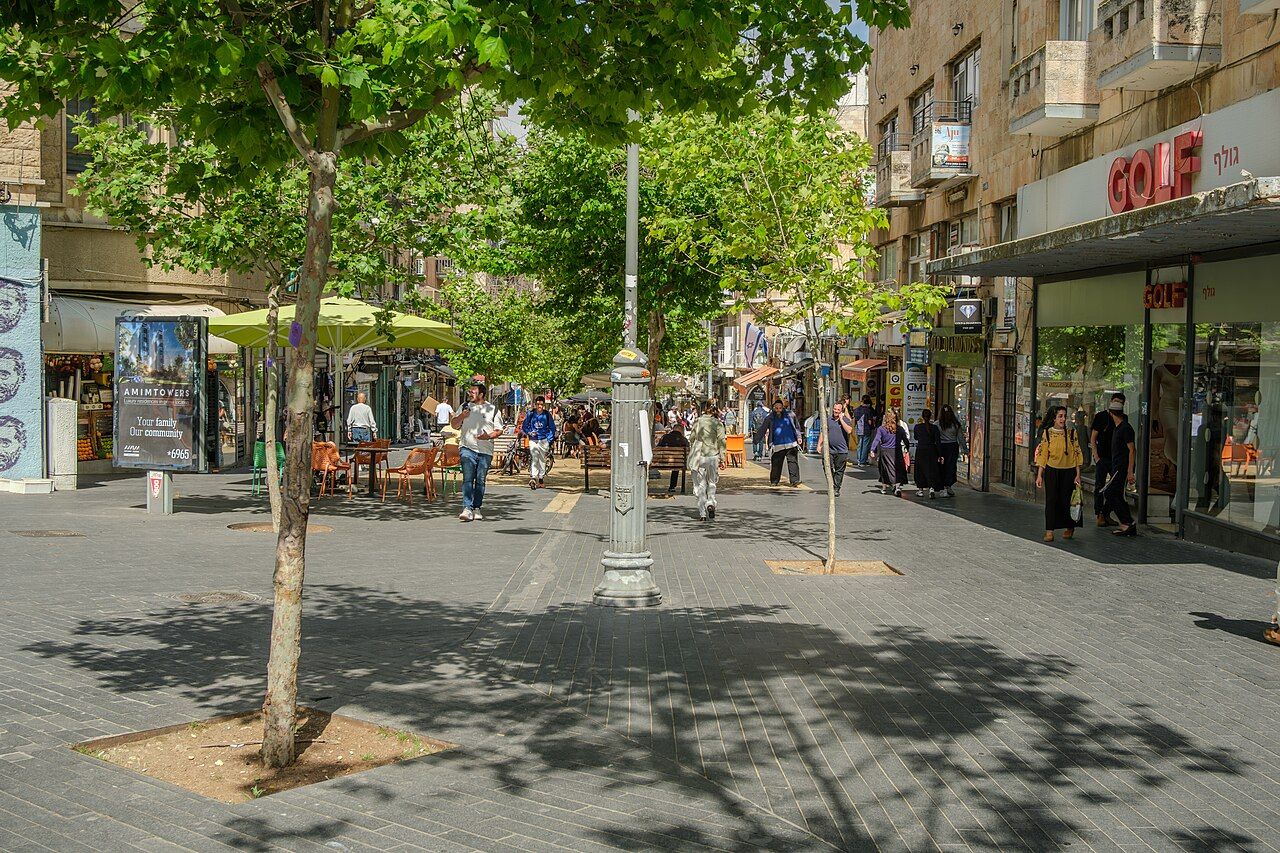
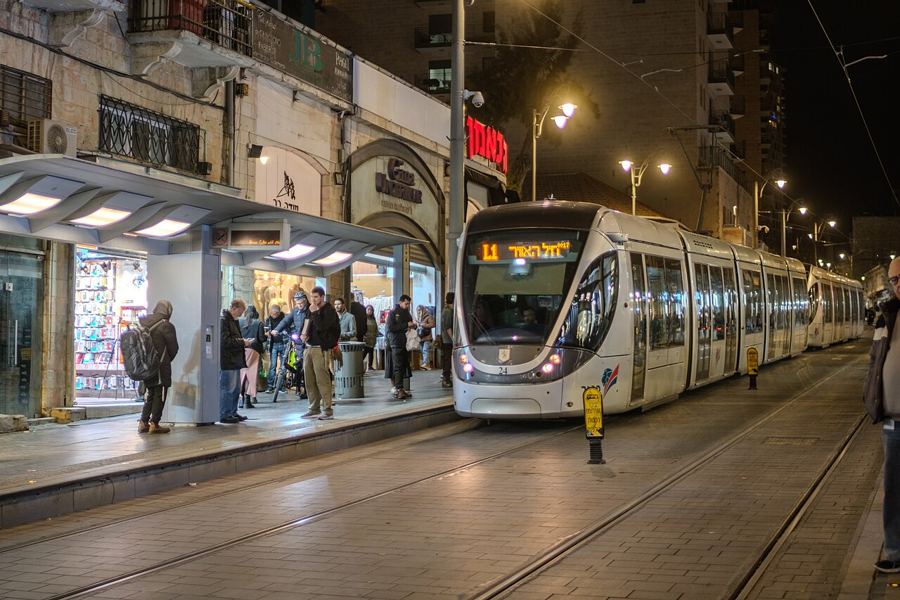
- Public transport. Trains and most buses stop from Friday afternoon until Saturday evening.
- Shops and markets. Most Jewish-owned shops close. Markets such as Mahane Yehuda in Jerusalem are packed on Friday morning and shut by late afternoon.
- Restaurants. Many places with kosher certification close; others stay open, especially in Tel Aviv.
- Government offices and banks. Closed on Friday and Saturday.
- Lifts. In some buildings a "Shabbat lift" stops automatically at every floor, so that no one has to press a button.
Respect matters in religious areas. Driving, smoking, using a phone conspicuously or taking photographs of people at prayer can cause real offence in strictly observant neighbourhoods on Shabbat. Walk quietly, dress modestly and follow local signs.
What stays open
A lot still works on Saturday. Most national parks and nature reserves open, often closing earlier on Friday than other days, and they are busy with families. Beaches are full. In Tel Aviv many cafés, bars and shops stay open, and the city has a relaxed weekend feel. Arab towns and neighbourhoods, including Nazareth, the old city of Acre and East Jerusalem, follow their own weekly rhythm and are often at their liveliest on a Saturday. The Christian and Muslim quarters of Jerusalem's Old City stay open too.
Shared taxis run on some routes, regular taxis work throughout, and in Haifa and parts of Tel Aviv some buses keep running. Driving is allowed across the country, although some streets in religious areas are closed to traffic on Shabbat.
 Another day · BasicsGetting around Israel by train, bus and car
Planning a Shabbat day route
Treat Saturday as a day for places you can reach by car, on foot or from where you are staying. Good options include:
- A long walk through the White City in Tel Aviv, where much stays open.
- Nature reserves and national parks with a car, starting early to beat the weekend crowds.
- Nazareth or Acre, where Saturday is a normal working day.
- A quiet walk through the Old City or the western neighbourhoods of Jerusalem, which have a stillness found at no other time.
Buy food and water before Friday afternoon. Check how you will return if you are relying on public transport, and expect stations to be crowded after Shabbat ends on Saturday night.
At the Western Wall, the plaza fills on Friday evening as Shabbat begins. Visitors are welcome to watch, but photography and phone use are not allowed there on Shabbat. The same applies at many synagogues.
Yom Kippur
Yom Kippur, the Day of Atonement, falls in the autumn, usually in September or October. It is the most solemn day of the Jewish year and the most complete shutdown in the country. Roads empty of cars except for emergency vehicles, airports close, radio and television stop broadcasting, and shops, restaurants and sites shut for around twenty-five hours. Many people fast and spend the day at synagogue; children cycle on empty highways.
If your trip includes Yom Kippur, plan to stay put. Stock up on food and water beforehand, do not plan any travel, and respect the quiet even in less observant areas. Arab towns and neighbourhoods are less affected, but transport links to them are cut too.
Passover, Sukkot and other holidays
The major festivals bring their own patterns. The first and last days of Passover in spring and of Sukkot in autumn are full holidays, with closures much like Shabbat. The days in between are a holiday week for schools and many families, so national parks, beaches and nature reserves get very crowded, and places to stay fill up and cost more. Book ahead and arrive early at popular sites.
During Passover, which lasts a week, observant Jews avoid leavened bread, and many shops and restaurants stop selling it. Bread may be hard to find in some areas. Rosh Hashanah, the Jewish New Year, closes the country for two days shortly before Yom Kippur. Exact dates follow the Hebrew calendar and move each year, so check before you go.
Ramadan and the Christian calendar
In the month of Ramadan, Muslims fast from dawn to sunset. In mixed cities and Arab towns such as Nazareth, Acre, Jaffa and East Jerusalem, daytime is quieter and some places to eat close until evening, when streets fill with people breaking the fast. Avoid eating, drinking or smoking conspicuously in the street in Muslim areas during fasting hours. Access to the Haram al-Sharif, also known as the Temple Mount, can change during this period.
Christian holidays shape the calendar in Nazareth and in the Old City of Jerusalem. Christmas in Nazareth brings markets and a parade, and Easter in Jerusalem draws large crowds of pilgrims, with Western and Eastern churches often marking it on different dates. Many churches close to visitors during Sunday morning services.
Put together, the calendar rewards a little planning. Before you fix the order of your day routes, lay the dates of your trip against the Jewish, Muslim and Christian calendars, note which days fall on Friday and Saturday, and move the routes that depend on buses or markets to the middle of the week.