
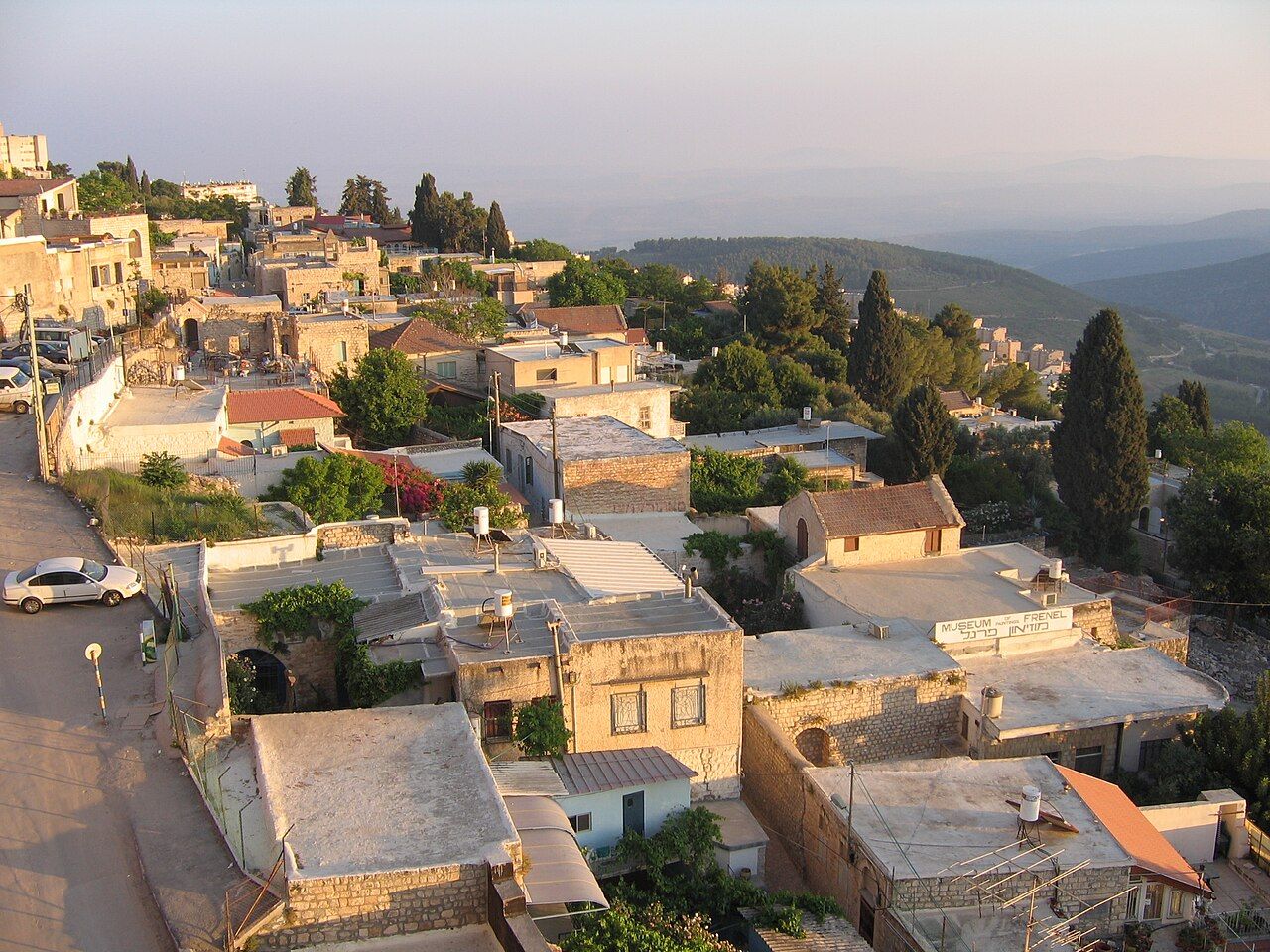
Nazareth and Tsfat sit on hills in Galilee about an hour's drive apart, and they could hardly feel more different. Nazareth is the largest Arab city in Israel, home to Muslim and Christian communities, and for Christians it is the town where the Gospels place the Annunciation and Jesus's childhood. Tsfat, also spelled Safed, is a Jewish town high on a ridge, and since the sixteenth century it has been one of the centres of Jewish mysticism. A day that takes in both shows how many layers of faith share this small region.
The Basilica of the Annunciation
The great church in the centre of Nazareth was completed in 1969 on the site of earlier Byzantine and Crusader churches. Its tall lantern dome is visible across the town. The lower church encloses a grotto venerated as the home of Mary, where tradition says the angel Gabriel announced the birth of Jesus. The upper church is wide and bright, and its walls hold images of Mary sent from Catholic communities around the world, each in the style of its own country.
Dress code is strict and plainly enforced: shoulders and knees covered. The basilica is a working church, and visits pause during services; quiet is expected in the grotto. Just behind it, the Church of St Joseph stands over a cave said to have been Joseph's workshop. Opening times vary by season and by the church calendar, so check before you go.
Nazareth's old market and the wells
Below the basilica, the old market climbs the hill in narrow covered lanes and stairways. It is quieter than it once was, but you still find spice sellers, sweets, bakers and household goods among shuttered stalls, and a number of old stone houses have been restored around it. The White Mosque, built in the early nineteenth century, stands at the heart of the old town.
At the northern edge of the old city, the Greek Orthodox Church of St Gabriel is built over a spring, which this church's tradition holds as the place of the Annunciation. A short walk away, the reconstructed well house known as Mary's Well stands on the main road. Both make sense of how a small hill village grew up around its water.
Parking in central Nazareth is tight and the streets are steep and busy, so it helps to leave a car on the edge of the centre and walk in. Most of what you want lies within a fifteen-minute walk of the basilica. Signs in Arabic, Hebrew and English point the way between the churches, and the old market is easiest to explore by simply following the stairs uphill and letting the lanes lead you.
Nazareth runs on its own weekly rhythm. Many Christian-owned shops close on Sunday, some Muslim-owned shops close for part of Friday, and Saturday is often the busiest day in town, when visitors from across Israel arrive. Christmas brings markets and processions; during Ramadan the evenings are lively.
 Another day · NorthAround the Sea of Galilee
The road to Tsfat
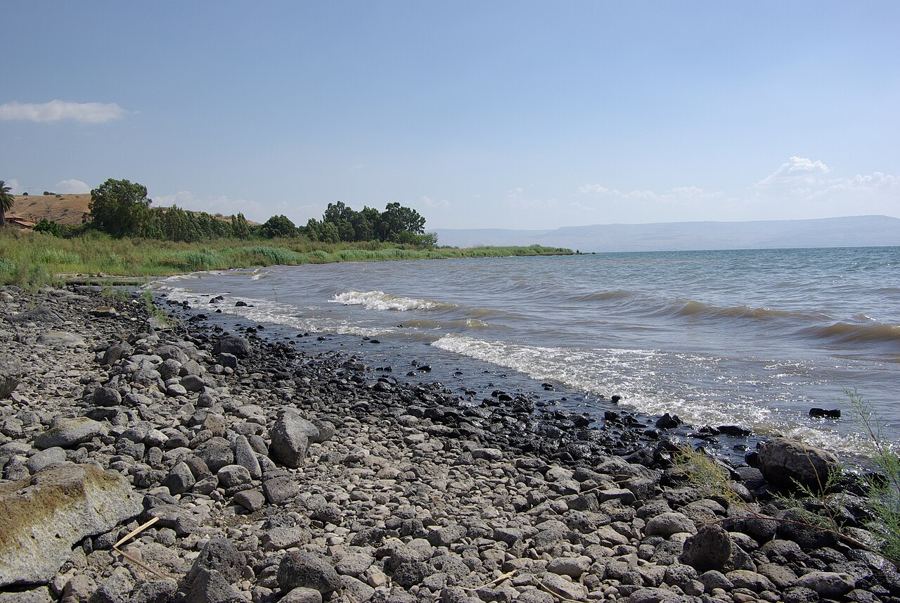
From Nazareth, roads run east and north through the Galilee hills, past olive groves and villages, then climb steeply to Tsfat. The town stands at around nine hundred metres above sea level, the highest city in the country, and it is noticeably cooler than the lake below. On clear days you can see the Sea of Galilee shining far down to the south-east, and Mount Meron rising to the west.
Buses connect both towns with Tiberias, Haifa and the rest of the country, but the route between them is not always direct. With a car you can cover the drive in about an hour; without one, allow more time and check connections.
Tsfat's old synagogues
In the sixteenth century, after the expulsion of the Jews from Spain, scholars and mystics gathered in Tsfat and turned it into a centre of Kabbalah. Their names are attached to the old synagogues that still serve congregations in the lanes of the old city. The Ari synagogues, Ashkenazi and Sephardi, honour Rabbi Isaac Luria, one of the most influential teachers of Jewish mysticism. The Abuhav synagogue is known for its painted dome, and the Caro synagogue for the scholar Joseph Caro, who wrote the Shulchan Aruch, the great code of Jewish law, in this town.
Most of the old synagogues let visitors in between services. Men cover their heads, and loaners are often available at the door; women and men alike should wear modest clothing covering shoulders and knees. A small donation is customary in some synagogues. Photography may be restricted inside, so ask first.
The artists' quarter
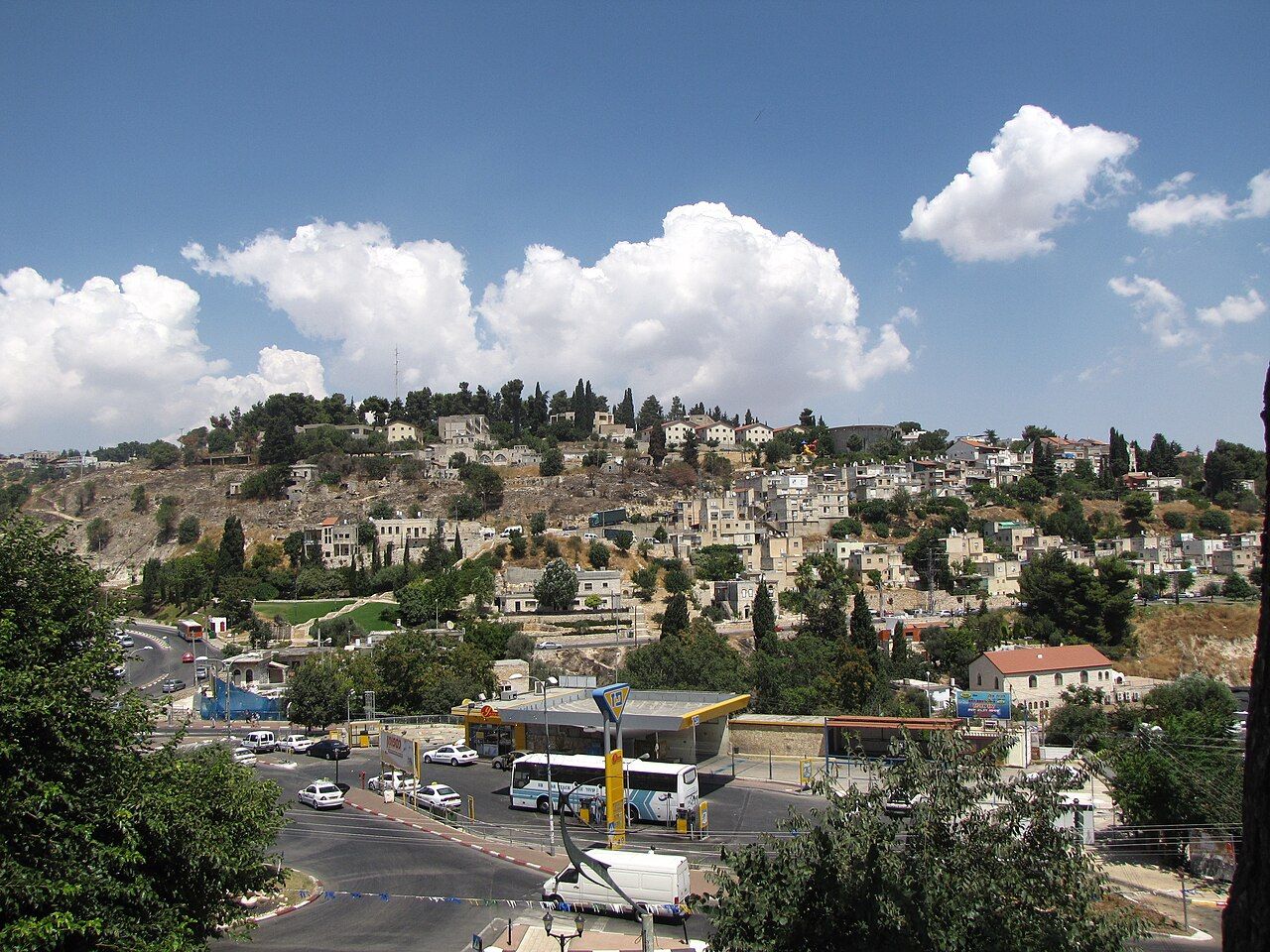
On the slope below the synagogue quarter, a lane of old stone houses became an artists' colony in the mid twentieth century. Galleries and workshops fill the old Arab quarter there, with painting, ceramics, silver, glass and calligraphy, much of it shaped by Jewish themes and the blue light of the town. Wander downhill through the stepped alleys and you reach the old cemetery, where many of the mystics are buried in graves painted blue.
The town's narrow lanes are best walked slowly, with plenty of time to stop. Many are stepped and steep, which makes good shoes more useful than any map.
Summer evenings in Tsfat are cool, a relief after the heat of the valleys, and a light layer is useful even in July. Winter can bring cold rain and, on rare days, a dusting of snow on the ridge.
Shabbat and timing
This is the one route where Shabbat timing truly shapes the day. Tsfat almost entirely closes from Friday afternoon until Saturday night: galleries shut, synagogues fill with worshippers, and buses stop. Visiting on a Friday means arriving early and leaving well before sundown. Nazareth works the other way, and Saturday there is lively. The details for the whole country are in Shabbat and the holidays.
A good plan is Nazareth in the morning, lunch in town, then Tsfat for the afternoon light on the hills. Reverse it on a Friday. If you have another day, combine the hills with the coast and the walls of Acre, which lie about an hour west.