
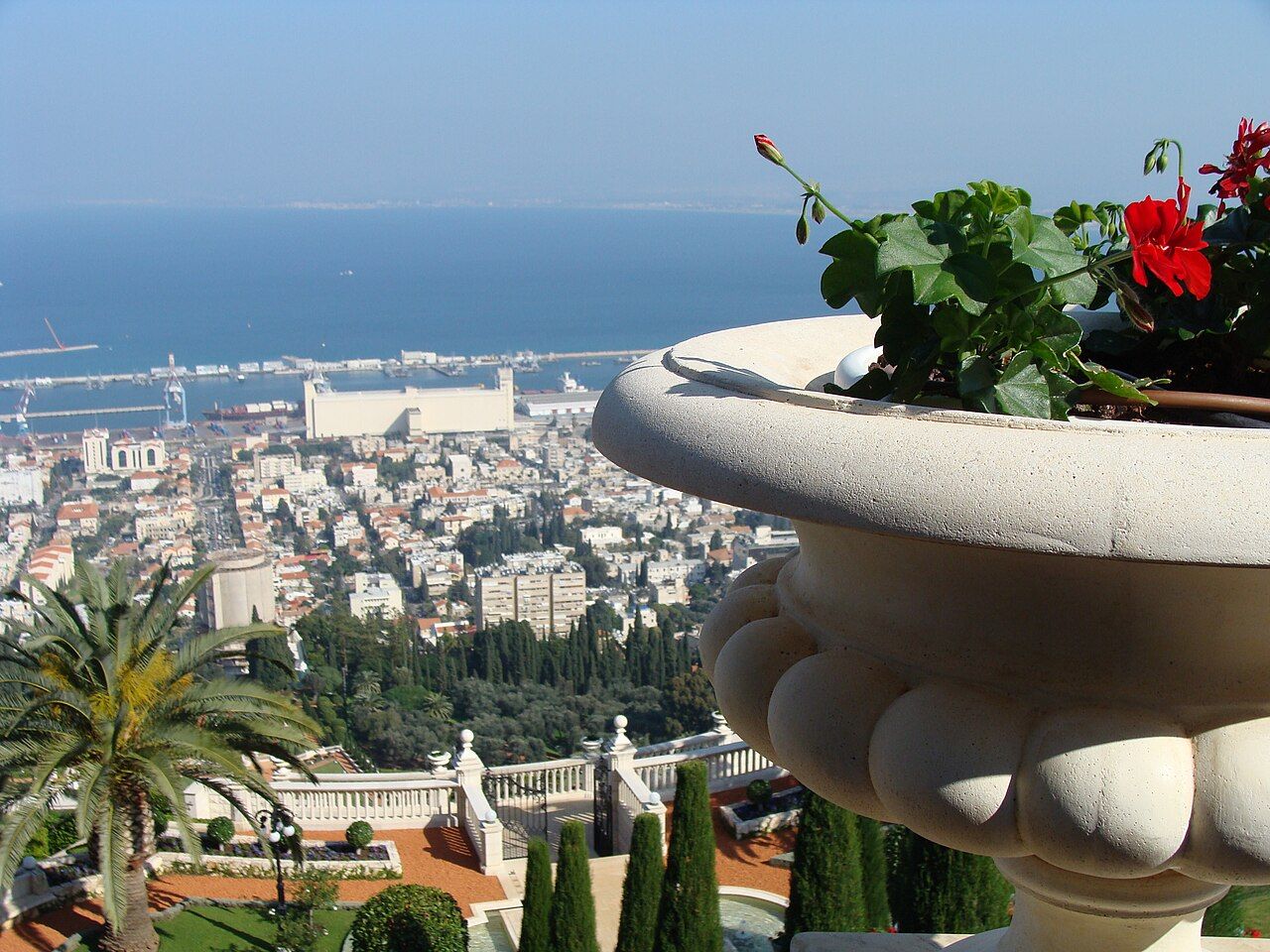
Haifa climbs the slopes of Mount Carmel above a deep bay, a working port city with neighbourhoods stacked one above the other. Across the water, a short train ride north, Acre sits on a low point of land behind thick stone walls, one of the oldest continuously inhabited harbours on this coast. Together they make one of the fullest days you can spend in the north: gardens and views in the morning, old streets and vaulted halls in the afternoon, and the sea in sight almost the whole time.
Both places hold UNESCO World Heritage status. The Bahá'í holy places in Haifa and Western Galilee were inscribed together, which links the terraces on Carmel with sites near Acre. The Old City of Acre is listed in its own right for its layered Crusader and Ottoman town.
The Bahá'í terraces on Mount Carmel
Nineteen terraces run down the face of Mount Carmel, with the golden-domed Shrine of the Báb at their centre. The Báb was the forerunner of the Bahá'í Faith, and the shrine is one of its most sacred places; Haifa is home to the world centre of the faith. The gardens are tended with great precision, with clipped hedges, gravel paths, stone balustrades and fountains, and from the upper levels the whole city and the bay spread out below.
Visiting follows clear rules. Entry is free. Some areas are open for walking on your own, while the full descent through the terraces is usually only possible on scheduled walks led by the gardens' own staff, which run in several languages and fill up. Dress modestly, with shoulders and knees covered. Food, smoking and loud talk are not allowed, and the atmosphere is quiet. The gardens close on some days of the week and on Bahá'í holy days, and opening patterns change, so check before you go.
The best views over the whole sweep come from the upper viewpoint near the top of the terraces, reached from the road along the Carmel ridge. Morning light falls well on the city and the sea, and the haze tends to thicken as the day warms.
The German Colony
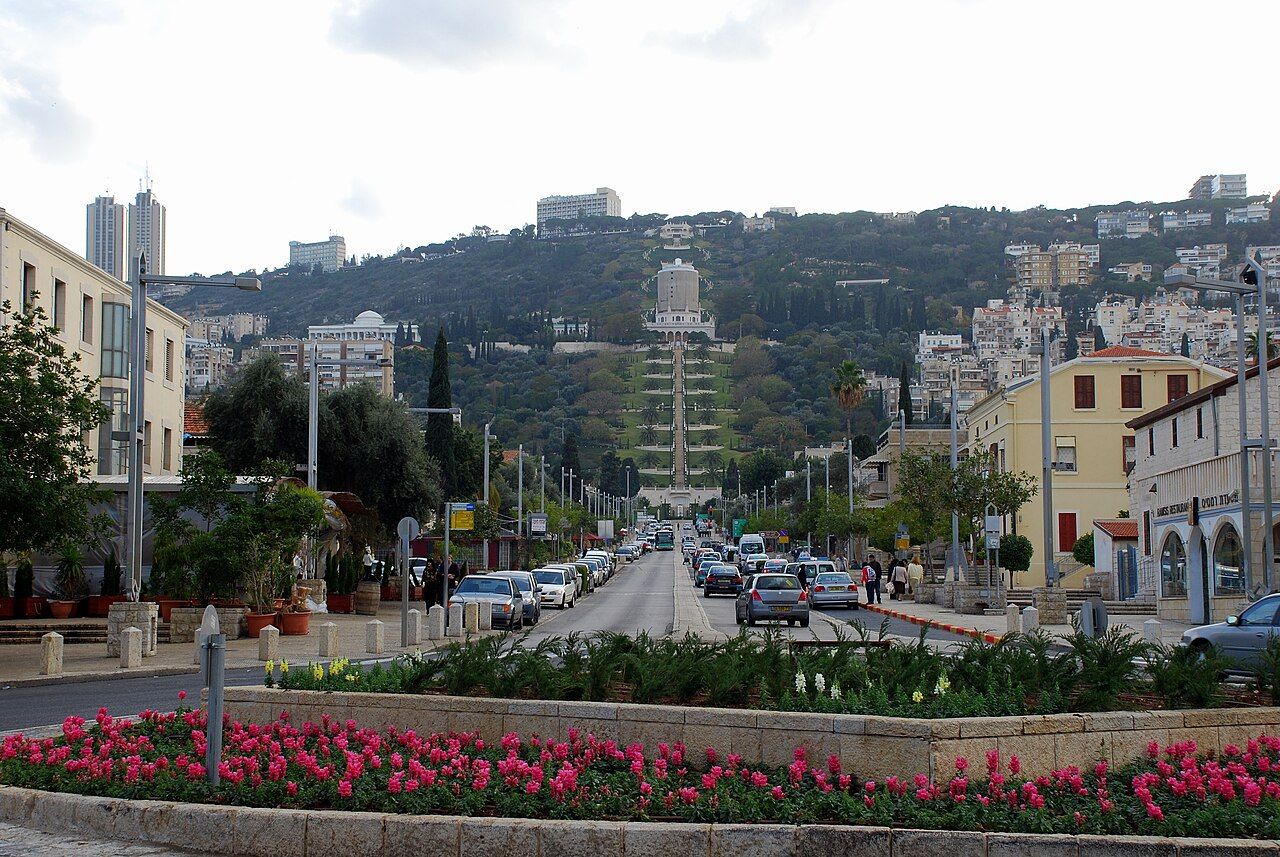
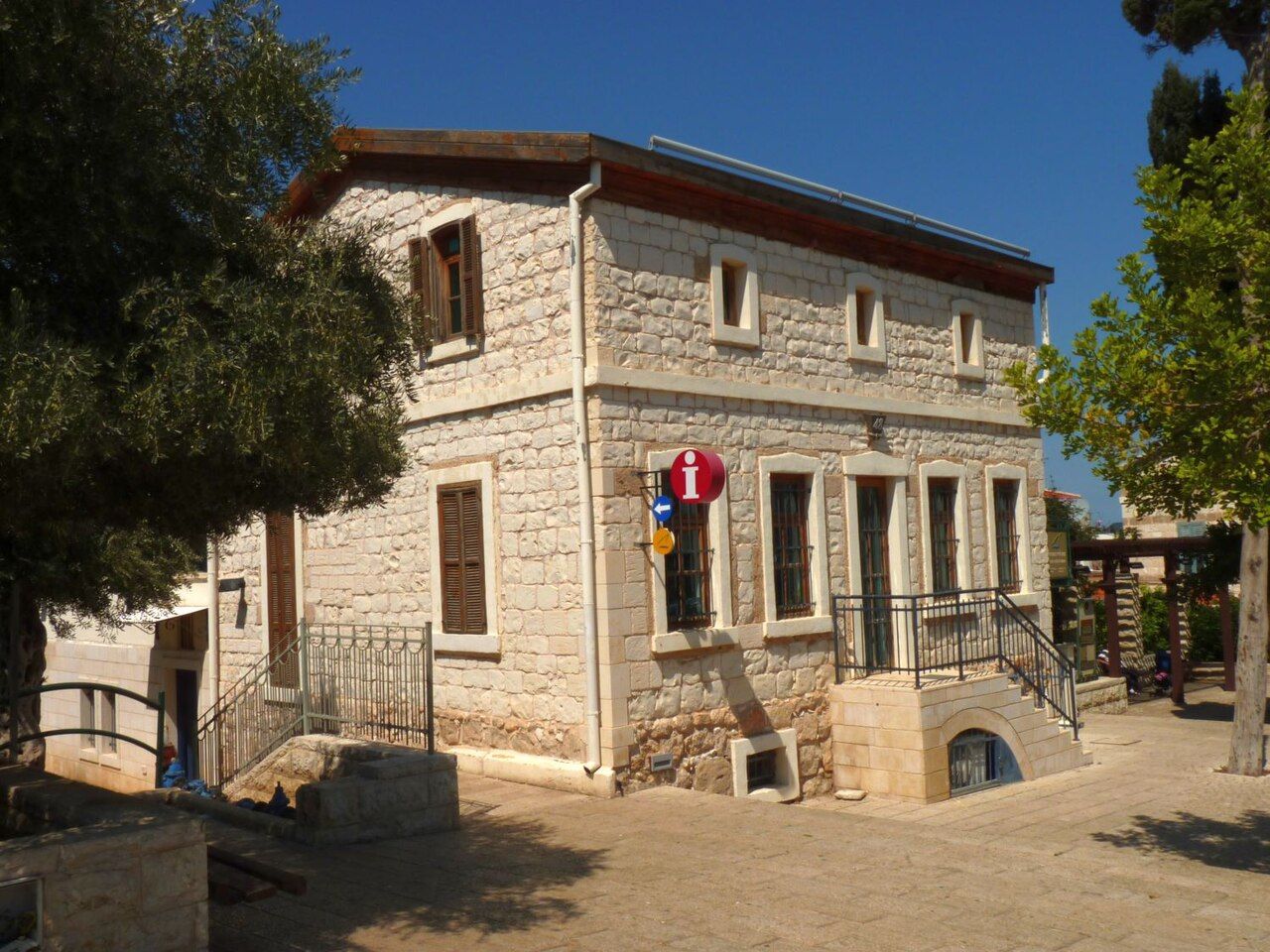
At the foot of the terraces, a broad avenue runs straight down towards the port. This was the main street of the German Colony, founded in the late 1860s by members of the Templer movement, a German Protestant group who settled in several places in the Holy Land. They built solid two-storey houses of local stone with red tiled roofs, and many carry carved inscriptions from scripture over their doors.
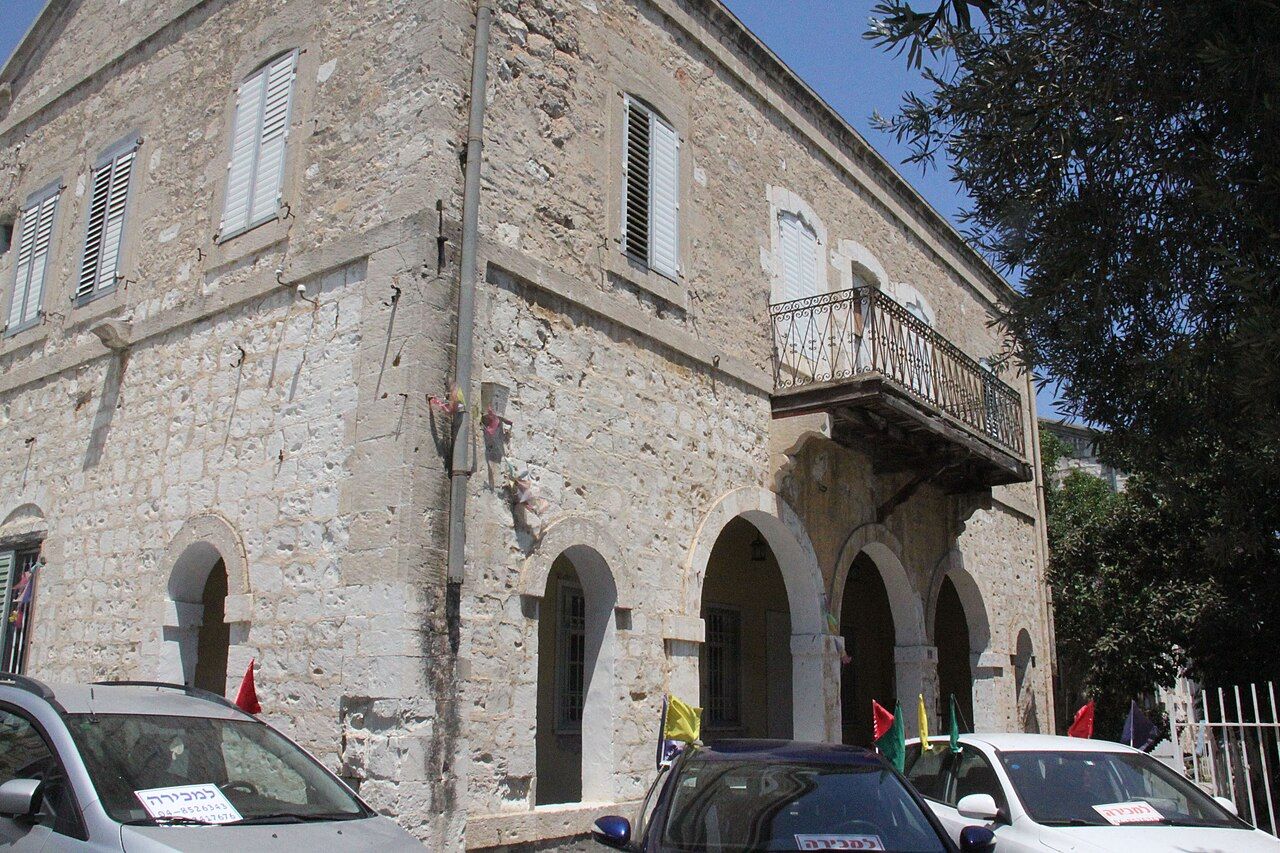
The avenue lines up exactly with the Shrine of the Báb, so walking down it, you keep looking back at the gardens climbing the hill behind you. The old houses now hold homes, offices and places to eat, and the street is pleasant in the evening when the heat lifts. Small plaques on some buildings tell the story of the families who built them.
If you have time before leaving Haifa, the lower town towards the port has older markets and streets worth a slow look, and a cable car runs up the cliff from the shore to the Stella Maris monastery on the Carmel headland.
Haifa is also a city where communities live side by side in a way that shapes its week. Jewish, Muslim and Christian neighbourhoods sit close together on the slopes, and the Arab quarter of Wadi Nisnas, just below the gardens, keeps its own market and festivals. Walking through it on the way to the station takes only a few extra minutes.
Crossing the bay to Acre
Trains run along the bay from Haifa's stations to Acre in roughly half an hour, and buses cover the same route. The station sits a short walk outside the walls. Driving is possible, but the old city is a maze of narrow lanes closed to most cars, so park outside and walk in.
 Another day · NorthAround the Sea of Galilee
Acre has been a port for thousands of years, and nearly every power that held this coast left something here. Crusaders made it their main harbour and, for a time, their capital in the Holy Land. Later Ottoman governors rebuilt it on top of the crusader town, adding walls, mosques, markets and caravanserais. In 1799 the city's defences withstood a siege by Napoleon's army.
Crusader halls, markets and the sea walls
The great sight is the Hospitaller Fortress, often called the Knights' Halls, a complex of high vaulted halls built by the Order of St John and later buried under Ottoman buildings. Excavation has opened up the refectory, courtyards and passages, and walking through them is the best way to understand how much of the medieval city still lies below the streets. A tunnel built by the Templars runs from their fortress to the port and can also be walked.
Above ground, the Al-Jazzar Mosque, built in the late eighteenth century, rises over the town with its green dome and courtyard. Non-Muslim visitors can usually enter between the daily prayers; dress modestly and follow the guidance at the entrance. Nearby, the old market lanes are full of fish, spices, sweets and everyday shopping, a working market for the people who live inside the walls rather than a stage set.
Near the harbour, the Khan al-Umdan is a large Ottoman caravanserai built around a courtyard, with a clock tower over its gate. Merchants once stabled animals below and slept above. Even when the inner courtyard is closed, the arcade and the tower give a sense of how much trade passed through this port when caravans and ships met here.
Finish on the walls themselves. You can walk along the top of the sea walls on the western side, with the open Mediterranean below and the harbour to the south. In late afternoon the light turns gold on the stone and the fishing boats come back in, and from here the lights of Haifa start to show across the bay.
In late afternoon the light turns gold on the stone and the fishing boats come back in, and from here the lights of Haifa start to show across the bay.
Practical notes for the day
Haifa is hilly, and walking from the top of the gardens to the port is all downhill on steps and steep streets, which is easier on the lungs than on the knees. Wear shoes with grip. Acre is flat but its lanes are uneven stone. Carry water; the coast is humid in summer, and the walls offer little shade at midday.
Plan the order around opening times. Gardens first, while it is cool and before tour groups fill the viewpoints. Acre's sites usually close earlier than the town itself, so aim to arrive by early afternoon. A combined ticket for several Acre sites is often available, and prices change, so check before you go.
The day pairs well with an earlier stop on the coast road at Herod's harbour at Caesarea, or with a night in the north before heading inland to Nazareth and the hilltop town of Tsfat. If you are travelling at the weekend, read the notes on Shabbat and the holidays first, because Haifa and Acre keep different rhythms from much of the country.