
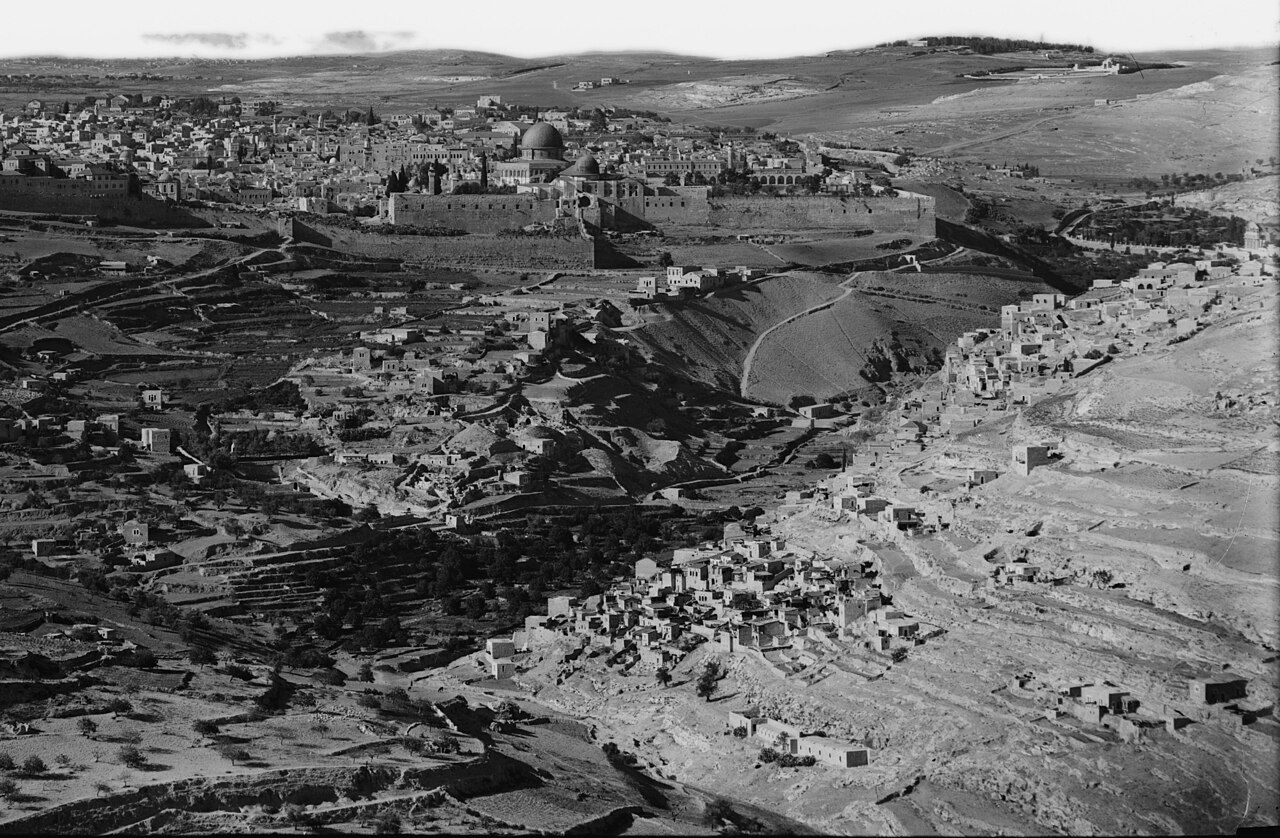
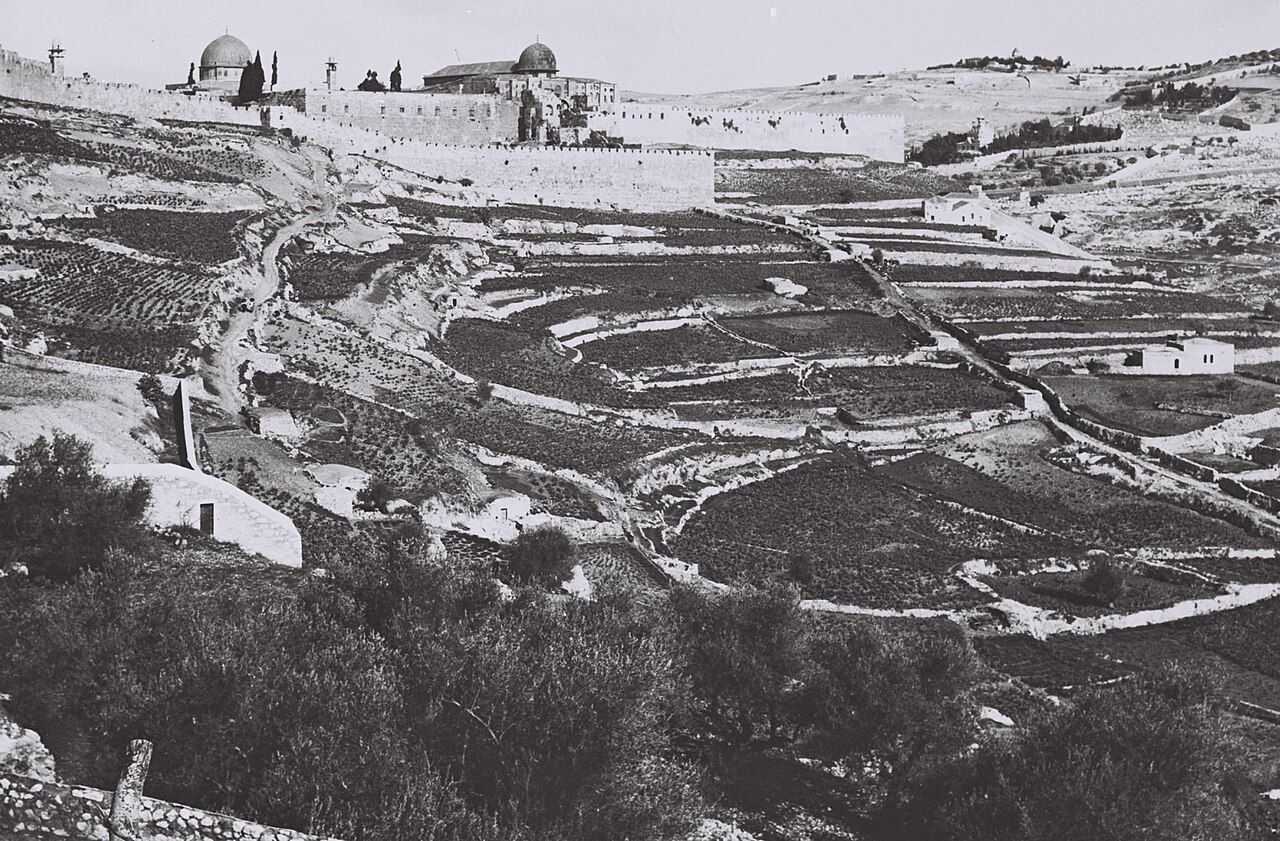
The ridge that runs south from the Old City walls, down toward the meeting of the Kidron and Hinnom valleys, is where Jerusalem began. Long before the present walls existed, a town stood here above the Gihon Spring, the only permanent source of water in the area. Today the slope is an archaeological park known as the City of David, with excavations, viewpoints and two very different tunnels running underground.
The park lies within the Palestinian neighbourhood of Silwan in East Jerusalem. Its management, the excavations and their presentation are contested, and you will hear sharply different accounts of what the site means. It is worth reading the signs with that in mind, and checking your own government's current travel advice before you go.
Above ground: the excavations
From the entrance a series of terraces and stairways leads down the slope. You pass the remains of large stone structures that some archaeologists link with the period of the Israelite kings, a stepped stone structure on the hillside, and the remains of houses destroyed when the city fell to the Babylonians in the sixth century BCE. Viewing platforms look east across the Kidron Valley to the village houses of Silwan and the Mount of Olives.
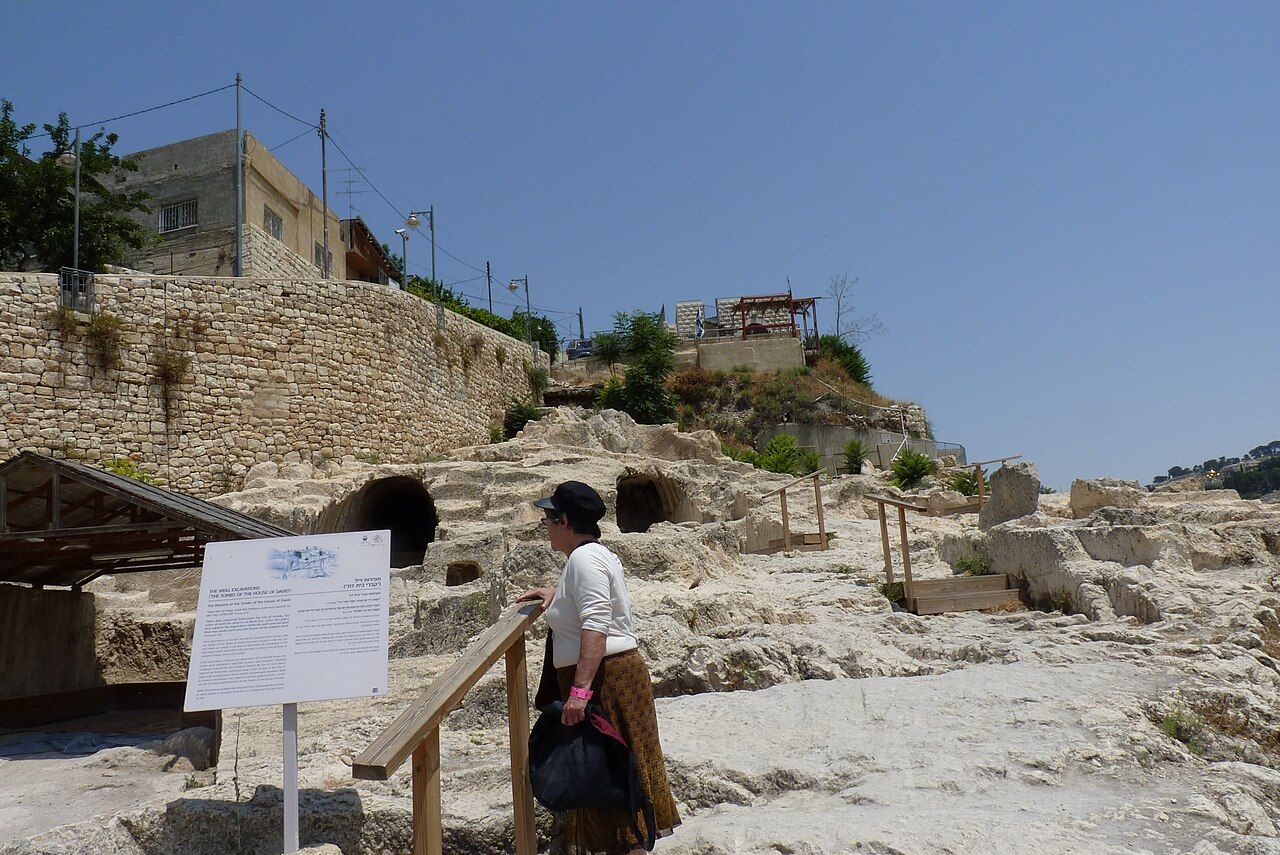
Interpretation boards explain each area, and a short film is sometimes shown near the entrance. The park is steep, with many steps, so allow time on the way back up, or plan to finish at the bottom and return by road.
Hezekiah's Tunnel
The highlight for most visitors is the wet tunnel. It was cut through the rock to bring water from the Gihon Spring to a pool on the other side of the ridge, and is usually linked with King Hezekiah, who in the biblical account prepared Jerusalem for an Assyrian siege around 700 BCE. An inscription found inside in the nineteenth century describes two teams of workers digging from opposite ends until they met.
The tunnel is roughly half a kilometre long and takes most people around half an hour or a little more. It is narrow, dark and in places low enough that tall people need to stoop. Spring water flows through it all year; for most of the way it is around knee deep, and near the start it can reach higher up the leg. There are no lights, so a headlamp or a waterproof torch is essential.
 Another day · JerusalemDownhill from the dawn view
Wear water shoes or sandals that strap on firmly, and shorts or trousers you can roll up. Leave phones and cameras in a waterproof bag or with someone outside. The water is cool rather than cold, and in summer many people find it a relief after the heat of the excavations. If you are uneasy in confined spaces, this is not the walk for you.
For those who would rather stay dry, a second, older channel runs parallel. Often called the Canaanite tunnel, it is dry, lit in places and much shorter, and it ends at the same point as the wet route.
The Pool of Siloam
Both tunnels emerge near the Pool of Siloam, at the southern foot of the ridge. A pool here was known from the Gospel of John, where Jesus sends a blind man to wash in it. Excavations in 2004 uncovered broad stone steps from the Second Temple period, part of a much larger pool than the small Byzantine-era one visitors had seen before. You can stand on those steps and see how they once led down to the water.
From the pool, an excavated stepped street, sometimes called the Pilgrims' Road, runs north toward the Temple Mount. Sections of it are open underground, and access depends on current excavation work. Ask at the entrance what is open on the day.
Getting there and back
The park entrance is a short walk downhill from Dung Gate, the gate nearest the Western Wall plaza. Many visitors combine the morning here with the Old City quarters, entering the Old City afterwards through the same gate. From the Pool of Siloam, a shuttle sometimes runs back up to the entrance; if not, it is a steep walk.
Tickets are sold for different combinations of the park, the water tunnel and guided routes, and some areas can only be visited with a guide on certain days. Prices and rules change, so check before you go, and book ahead in busy seasons if the site asks you to.
Timing and heat
The excavations are exposed and the stone reflects heat, so a morning start is best in summer. Leave the tunnel for last, when you will be glad to cool your feet. In winter, the water can feel cold and the tunnel may close after heavy rain; plan a drier day if the forecast is poor.
Children who are steady on their feet usually enjoy the wet tunnel, but they should be tall enough to keep their heads well clear of the water where it is deepest. Ask staff about the current water level before you go in.
Bring a small towel and dry socks for afterwards. A light snack and water help, as there are few places to buy food inside the park. The whole visit usually takes three hours or so.
Where to go next
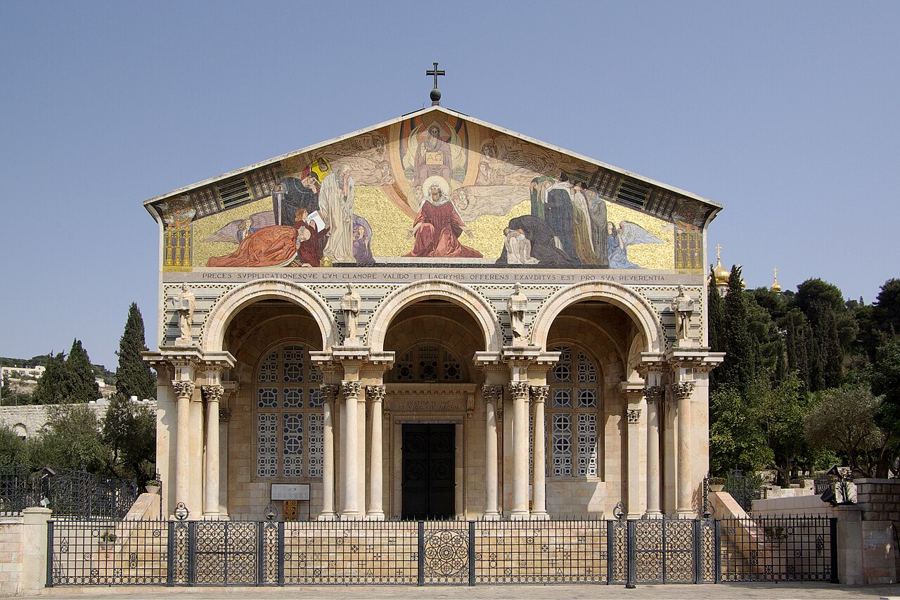
From the bottom of the ridge, the Kidron Valley leads north toward the Garden of Gethsemane. If you started early, you can climb to the summit and come down the Mount of Olives in the late afternoon light instead of at dawn. Those interested in how the city looked in the Second Temple period will find the large outdoor model at the Israel Museum helps make sense of everything seen underground today.