
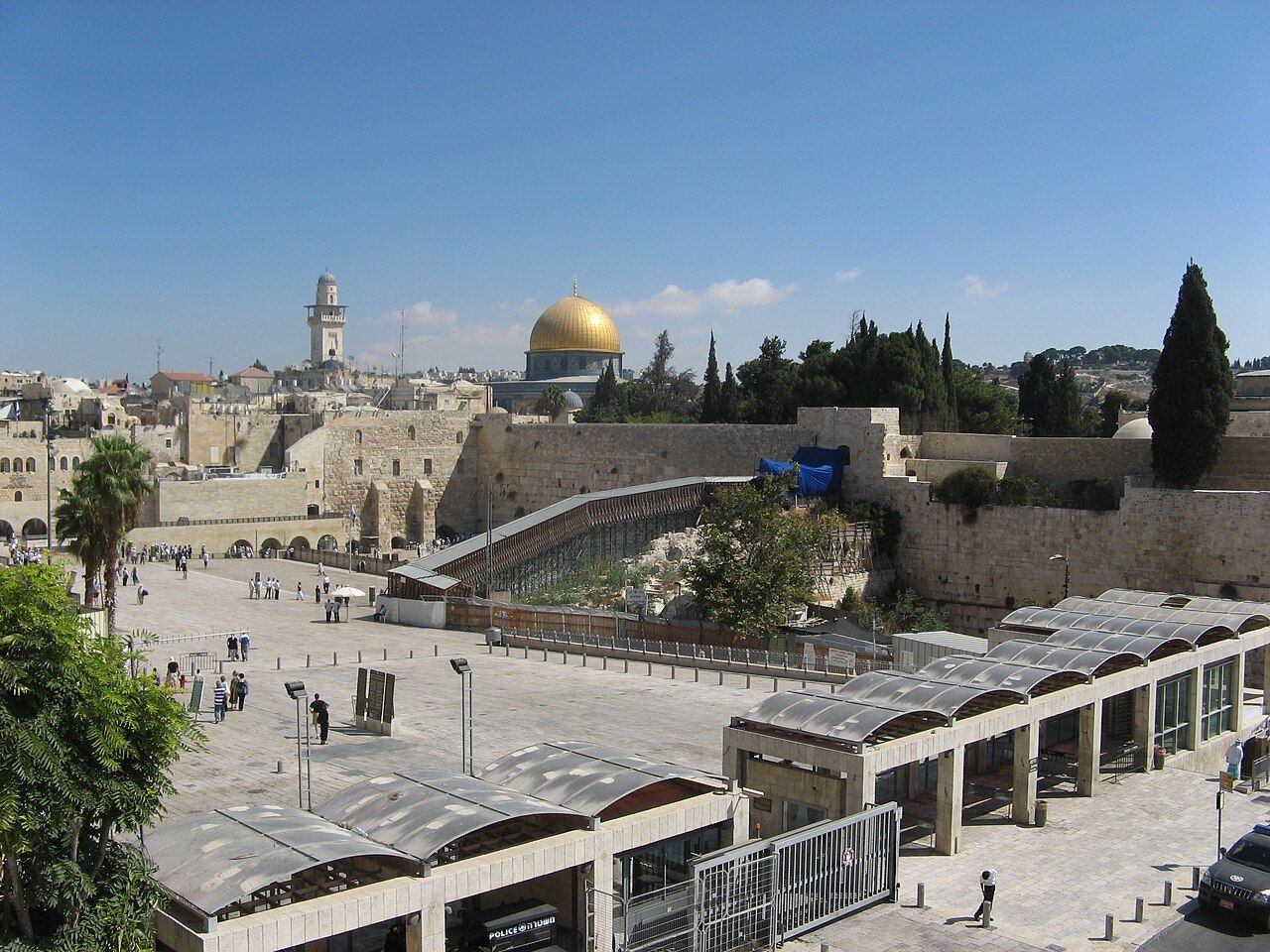
The Old City of Jerusalem is small enough to cross in twenty minutes and dense enough to fill a week. Its sixteenth-century Ottoman walls enclose four traditional quarters, Muslim, Christian, Jewish and Armenian, and within them some of the most sacred ground on earth for three faiths. A single day cannot cover it all, but a clear route lets you see the main sites, understand how the quarters fit together, and leave before your feet give out.
The Old City lies in East Jerusalem, whose status is disputed internationally; you will see that reflected in signs, flags and the mix of people around you. Security checks are routine at the Western Wall, the Temple Mount entrance and some gates. Follow the instructions you are given, carry your passport, and check your own government's current travel advice before the trip and again on the morning you set out.
Jaffa Gate and the walls
Most visitors enter through Jaffa Gate on the western side, where the road from the coast once arrived. The square inside is a good place to get your bearings. To your right stands the Citadel, often called the Tower of David, a fortress with layers from Herodian to Ottoman times that now holds a museum of the city's history. Straight ahead, David Street drops down into the covered market and toward the centre of the Old City.
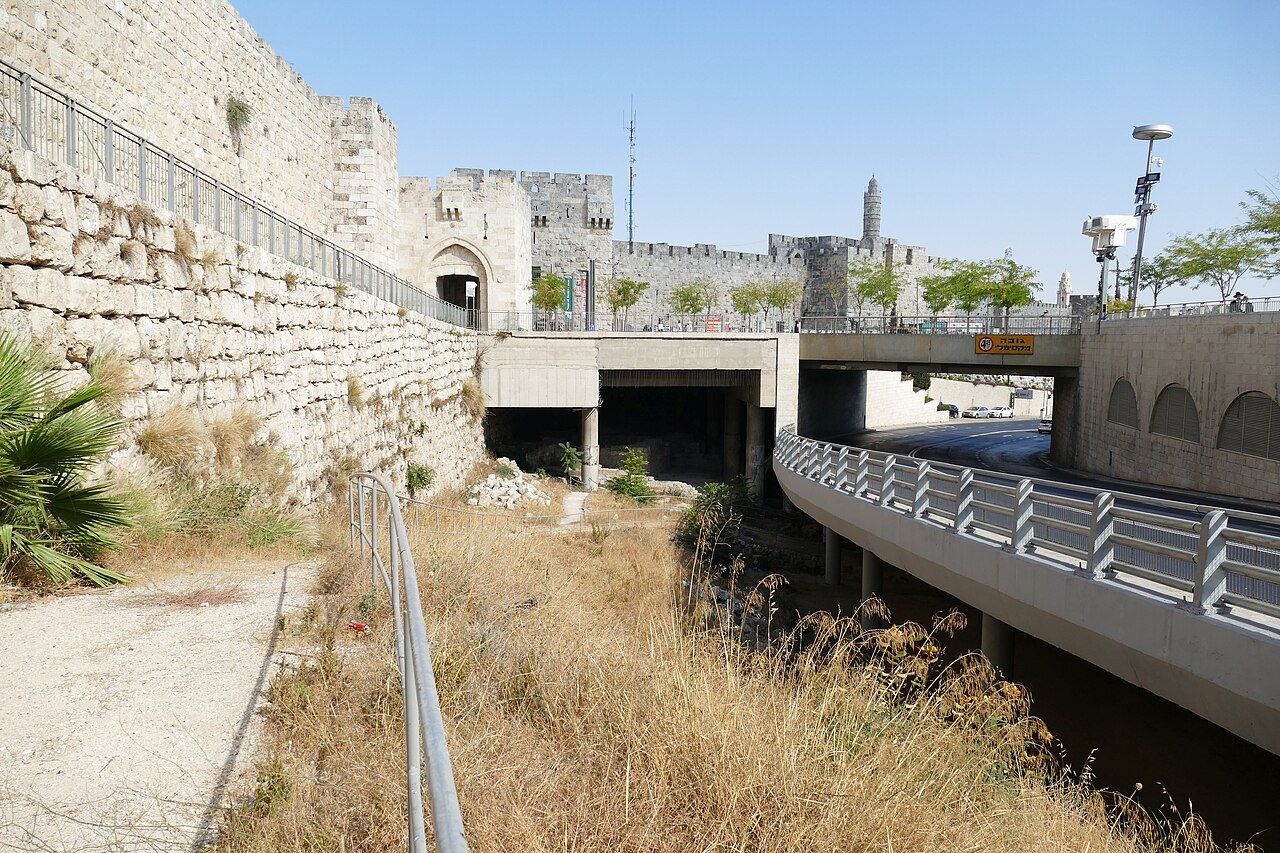
Before the lanes fill, consider the Ramparts Walk, a path along the top of the walls with access near Jaffa Gate. It is split into a northern and a southern section, and each gives you a rooftop view of the city: domes, water tanks, satellite dishes, schoolyards, and the hills beyond. The walkway is narrow in places, with uneven steps and low railings, so it suits steady walkers rather than small children. Opening days and ticket arrangements vary, so check before you go.
Four quarters, four rhythms
The quarters are not sealed off from one another; you cross from one to the next without noticing a line. What changes is the feel of the streets. The Christian Quarter, in the north-west, is built around the Church of the Holy Sepulchre and the monasteries and patriarchates that cluster near it. Shops here sell candles, icons and olive-wood carvings to pilgrims.
The Muslim Quarter is the largest and the busiest, filling the north-east and running down to the Haram al-Sharif. Its markets are where residents shop, and the lanes are often packed with handcarts, school children and deliveries. The Via Dolorosa, the route that Christian tradition links with Jesus's path to the crucifixion, passes through here, its stations marked by plaques and small chapels.
The Armenian Quarter in the south-west is the quietest, much of it behind the walls of the Armenian Patriarchate and St James Cathedral. The Jewish Quarter, in the south-east, was largely rebuilt after 1967 and has wider lanes, pale stone, excavated sections of the Roman Cardo, and steps leading down to the Western Wall plaza. Walking all four in a loop gives you a sense of how much daily life goes on alongside the holy sites.
Walking all four in a loop gives you a sense of how much daily life goes on alongside the holy sites.
The Western Wall plaza
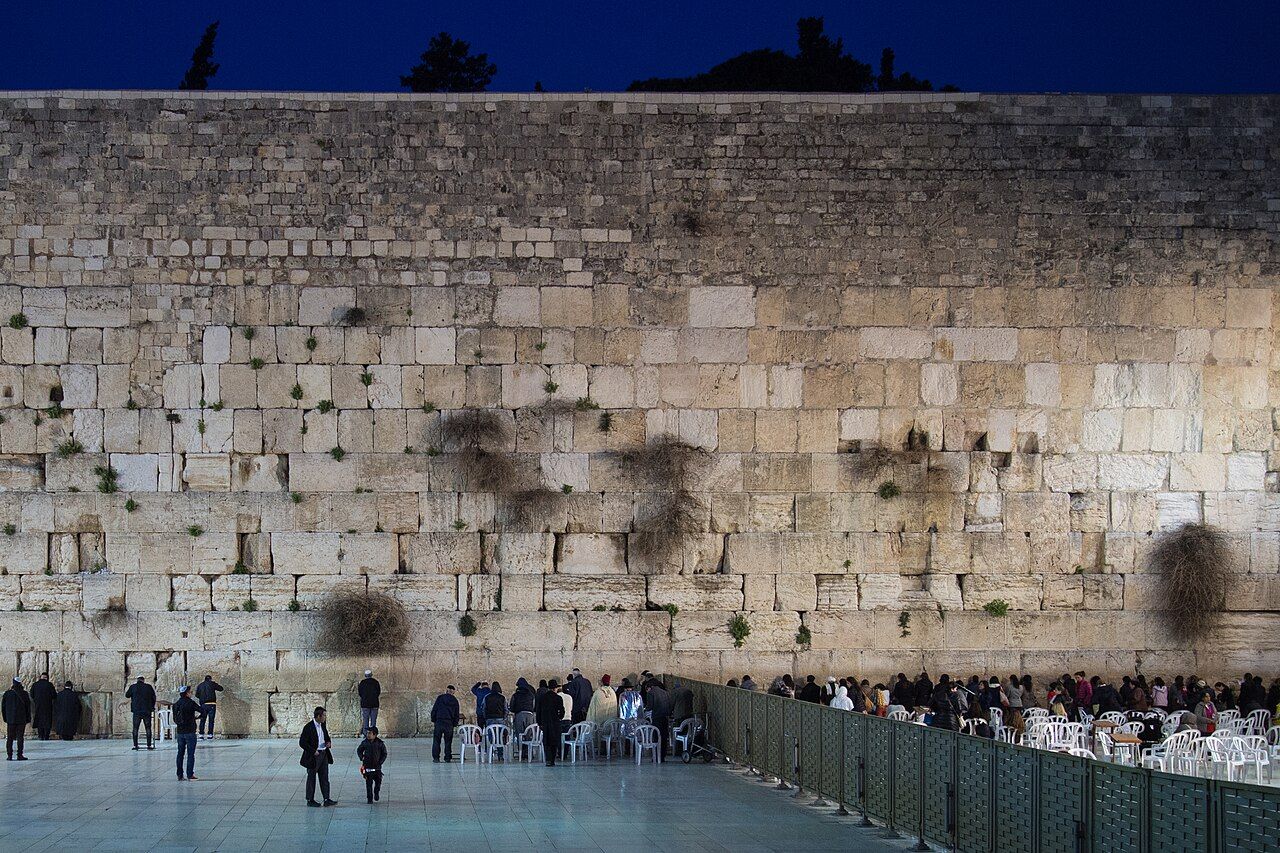
The Western Wall is a retaining wall of the platform on which the Second Temple once stood, and it is the holiest place where Jews may pray. The open plaza in front of it is reached through security checks. Prayer areas are divided, with men to the left and women to the right, and both are open to visitors of any faith who behave respectfully. Men are asked to cover their heads, and paper head coverings are usually available at the entrance. Shoulders and knees should be covered.
Visitors often place written prayers in the cracks between the stones. On Monday and Thursday mornings you may see bar mitzvah celebrations, with families singing and sweets thrown from the women's side. At dusk on Friday the plaza fills with people welcoming Shabbat; you are welcome to watch, but photography and phone use are not permitted then, and the rule is taken seriously.
The raised platform above the Wall is known to Muslims as the Haram al-Sharif, the Noble Sanctuary, and to Jews as the Temple Mount. It holds the Dome of the Rock and the al-Aqsa Mosque. Non-Muslim visitors may enter only at limited times, through a single entrance near the Western Wall plaza, and the buildings themselves are closed to them. Hours change with little notice and around religious holidays, and modest dress is enforced. Treat any visit as a possibility rather than a fixed part of the plan.
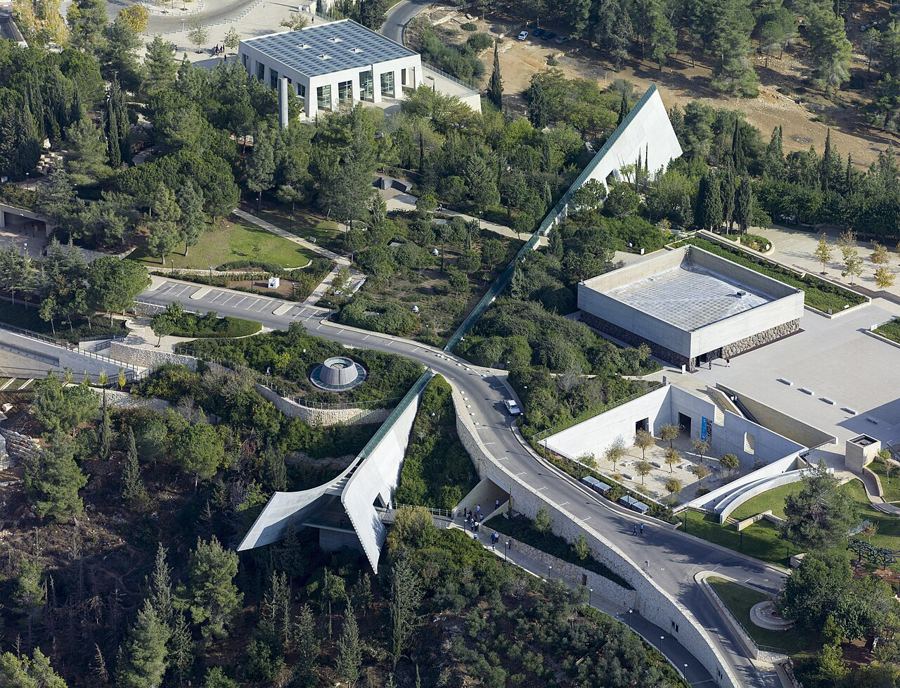 Another day · JerusalemScrolls in the morning, remembrance after
The Church of the Holy Sepulchre
For most Christian traditions this is the site of the crucifixion, burial and resurrection of Jesus. The church is shared by several denominations, chiefly the Greek Orthodox, the Roman Catholic Franciscans and the Armenian Apostolic Church, with the Coptic, Ethiopian and Syriac churches holding smaller areas. Their arrangements are set out in long-standing agreements, which is why nothing inside changes quickly.
Inside the main door is the Stone of Anointing, where pilgrims kneel and lay objects to be blessed. Steep steps to the right lead up to Calvary, or Golgotha, where you can touch the rock beneath an altar. Under the great dome of the Rotunda stands the Aedicule, the small shrine built over the tomb, where the queue can stretch to an hour or more by mid-morning. The Catholicon, the central nave of the Greek Orthodox, sits between them under its own dome.
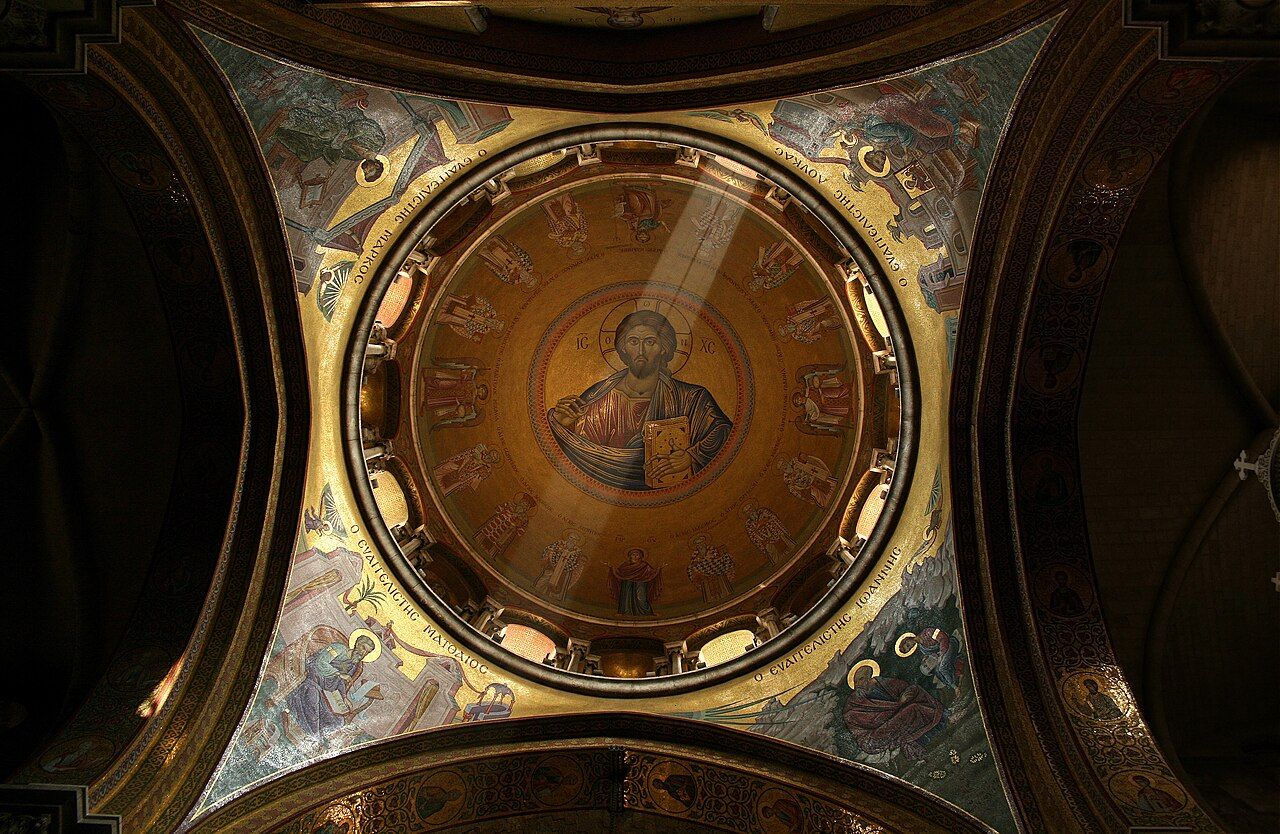
It is a working church, not a museum. Services happen at all hours, often several at once, and you are expected to keep your voice low and step aside for processions. Cover your shoulders and knees, remove hats if you are a man, and expect dim light and worn floors.
Pacing the day and getting out
A workable order is Jaffa Gate and the Ramparts first, the Holy Sepulchre before the crowds peak, then a lunch break and an afternoon in the Jewish Quarter and at the Western Wall. If you want to go further, you can walk out through Dung Gate toward the excavations south of the walls, where the oldest part of the city lies, or save the view from across the valley for a morning down the Mount of Olives.
The lanes are stone, often polished smooth and slick after rain, and many are stepped. Shade is patchy in the Jewish Quarter and on the walls, so carry water in summer and plan the exposed parts for the morning. Public toilets exist near the main gates and at the Western Wall plaza but are not plentiful elsewhere.
When the day ends, the excavations south of the walls and the new city are both a short walk away. Many people head west along Jaffa Road toward the market and the lanes of Mahane Yehuda and Nachlaot, where the atmosphere shifts entirely. Bear in mind that Friday afternoon and Saturday change the rhythm of the whole city; the guide to Shabbat and holidays explains what closes and what keeps running.